


Key Takeaways:
- A renal diet is the diet recommended for dogs with dysfunctional kidneys or chronic kidney failure.
- A renal diet consists of high water and moisture content, low protein levels, low phosphorus levels, low sodium, omega 3 fatty acids and lots of flavours to fight low appetites.
- Pooch & Mutt offer a Veterinary Renal Food for dogs that suffer with kidney issues.
If your poor pooch has dysfunctional kidneys, perhaps due to chronic kidney failure, you’ve probably been recommended a renal diet. It’s not only vital that a dog with kidney conditions eats a diet that is perfectly suited to their needs, but they also need to want to eat it. Especially when their illness can mean that they’re turned off from food. We know this can be worrying, so how do we make sure you’re feeding your dog the best food for their kidney problems?
Read on to learn the attributes of a renal diet for dogs, so you can feed the right food for your dog’s kidney dysfunction and ensure they live the happiest life possible.
What foods are good for dogs with kidney failure?
So, what does a renal diet mean? Renal, or kidney-friendly food for dogs has special attributes, and it can be confusing for a worried dog owner to understand all the various weights and restrictions involved. Put simply, a renal diet for dogs supports the kidneys while providing a dog with all the nutrition they need to live and function happily.
Generally speaking, a renal diet has:
High water and moisture content. Staying hydrated is important for the kidneys, which don’t function well without a lot of water to produce urine.
Low protein levels. Protein creates waste products that are tricky for damaged kidneys to process, so monitoring protein intake takes the pressure off.
Low phosphorus levels. The kidneys are fundamental in filtering phosphorus in urine, so dogs with kidney disease tend to get a build-up of phosphorus. Reducing the amount of phosphorus in the diet significantly helps.
Low sodium. Salt can worsen symptoms of kidney disease in dogs.
Omega 3 fatty acids. The vital AHAs and DHAs found in fish oil, for instance, reduce inflammation in dogs and improve their kidney function.
Delicious flavours. Pooches with kidney failure feel too ill to eat sometimes. A tasty fat booster (such as chicken skin) makes the food irresistible!
What's the best dog food for kidney disease?
So now you know what constitutes a sensible renal diet for a dog, what is the best food to feed a dog with kidney disease?
Firstly, bear in mind that relying on cheap commercial dog food to support your dog’s ailing kidneys is doomed to fail. Cheap brands of dog food tend to contain preservatives, artificial flavourings and ‘filler’ ingredients that will put stress on a dog’s kidneys and provide little nutritional value. It’s important to look a bit further for a nutrient-rich specialist food that supports your dog’s health condition.
Some opt for a homemade or raw food for dogs (sometimes called the BARF diet), as they like to know exactly what goes into their dog’s meals. Though this can be successful for dogs in good health, it’s more difficult when your pooch has specific dietary requirements. Preparing a renal diet from scratch is time-consuming and harder to balance than choosing a high-quality, specialist dog food that has been created for that purpose. If you’re dead-set on sticking to a homemade diet, chat to a pet nutritionist first for some expert advice on preparing it.
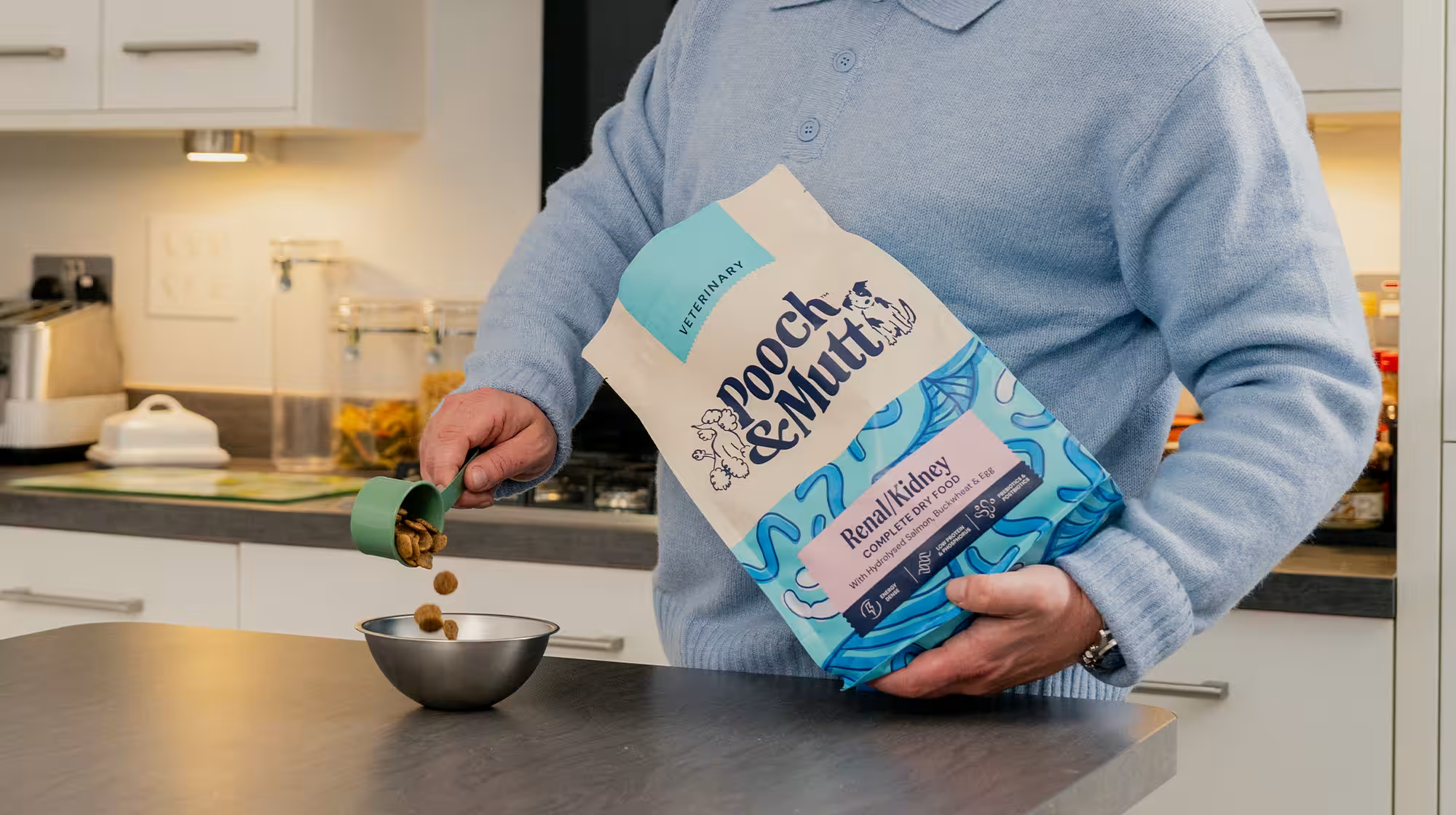
A premium quality, specialist dog food that comes prescribed or recommended by vets is the best route if your dog has kidney disease or failure. This food will be specially prepared to support a renal diet, and should boost your dog’s overall health as well as protect them from getting more unwell than they need to be. It should also be simply delicious for a dog, so that even if they’re off their food, they can’t help but lap it up.


Renal Dry Dog Food
This Renal dog food is a grain free, vet-approved recipe to support kidney disease or those with chronic renal insufficiency. It contains carefully selected ingredients known to be kind to your dog's kidneys.
-
Veterinary dog food
-
Low phosphorous
-
Low protein
Current price: £19.99
Renal Dry Dog Food
What's the best non-prescription dog food for kidney disease?
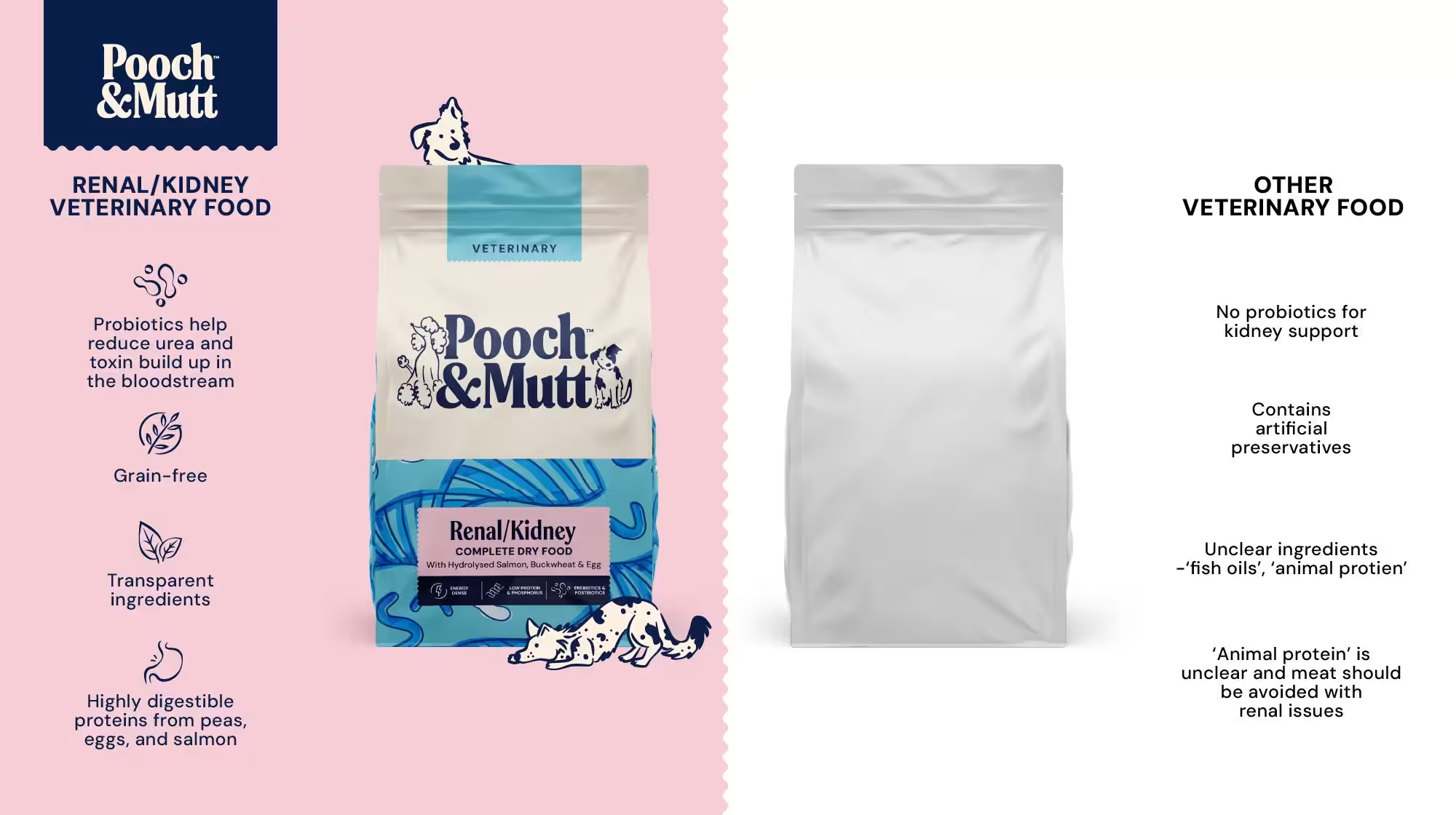
Some premium quality vet-recommended foods on the market are just as effective as prescription dog foods - our Pooch & Mutt Veterinary Renal Food, for instance.
It has been specifically formulated in accordance to a renal diet, containing salmon, peas and eggs for protein rather than meat, as meat has high levels of protein which is tougher to digest.
It contains chicken fat, for a super delicious taste they’ll love to eat every day - and salmon oil for those essential Omega 3 fatty acids.
A lot of renal dog foods on the market contain grain, making life difficult for dogs with kidney disease and a grain allergy, or difficulty digesting grain. For this reason our vet-recommended renal food is also entirely grain-free.
Can a dog without kidney problems eat renal dog food?
If your vet has instructed that your pooch eat renal dog food, then a specialist renal food such as our Pooch & Mutt Vet food is a great choice - but chat it over with your vet first to be sure. It’s typically given to dogs with chronic kidney insufficiency, especially those in the late to end stages of the disease.
If your dog doesn’t have kidney problems, do not feed them renal dog food - it doesn’t contain the right balance of ingredients to support a dog with regular health.
How much does nutrition and diet impact dogs with kidney disease?
Just like all dogs’ vital organs, the kidneys are important for many reasons.
They filter toxins from the blood
Regulate levels of potassium and sodium
Conserve water
Produce urine
When a dog’s kidneys start to malfunction, they can get very ill.
 Health
When a dog is diagnosed with kidney issues, that's when a vet will often instruct them to go on a renal diet.
It’s essential that you feed your dog with kidney problems a strictly renal diet only so that they can live a happy, relatively stress-free life with alleviated symptoms that stem from their kidneys.
Their diet is actually the most important part of your dog’s treatment and could significantly improve their life expectancy.
When your dog has been diagnosed with a serious health condition, it can be nerve-wracking deciding what to feed them, but it needn’t be. With the right choice of expertly-prepared, vet-recommended food, you’ll know you’re doing the best you can for your dog’s long and happy life. As always, if you aren’t sure about what exactly you should and shouldn’t feed your dog, ask your vet during regular check-ups.
If your dog has been instructed to eat a renal diet for kidney disease, our Pooch & Mutt Veterinary Renal Food is your dog’s dream choice. Our specialist vet range has a specialist recipe for all kinds of health conditions - browse the full collection here.
If you're worried your pooch might be suffering from kidney problems, take a look at our blog post all about kidney disease in dogs.
FAQs
What foods can cause kidney failure in dogs?
Foods aren’t necessarily the cause of kidney failure - there can be many causes including genetic factors, toxins, underlying health conditions etc. However there are foods that may exacerbate symptoms which tend to contain high protein, high salt or high phosphorus levels; all of which are hard for damaged kidneys to tolerate. For this reason it’s best for your dog to avoid foods such as red meat, jerky, pigs’ ears, rawhide and bones, as well as grapes and raisins.
Is cat food bad for dogs’ kidneys?
Even for dogs with regular health, it’s generally not a good idea to feed a dog cat food as both cat and dog food is made to different requirements. This is particularly true of dogs who are unwell or have health issues such as kidney disease. Cat food contains a very different balance of food groups that makes it suitable for a cat’s digestive system, not a dog’s. It usually contains high levels of fat and protein and therefore shouldn’t be fed to a dog with kidney dysfunction.
Is tuna good for dogs with kidney disease?
Tuna might be a favourite fishy snack for some dogs, but for dogs with kidney disease it’s a big no-go. Tuna contains high levels of phosphorus, which is damaging for a dog that needs to be on a renal diet.
What vegetables are good for dogs with kidney disease?
Let’s not underestimate the wonders of vegetables on a dog’s kidney health! Plenty of veggies contain nutrients, vitamins and minerals that are kind to kidneys.
These include:
✔ Carrots, which help promote good digestion; cucumbers for their high moisture, high fibre and low salt content; peas as a tasty and digestible source of protein; and potatoes and sweet potatoes for being starchy carbohydrates and a great source of B vitamins.
Vegetables you should avoid:
X Tomatoes, as dogs with kidney issues need to avoid high levels of potassium, and tomatoes contain a lot of it. Tomatoes also contain oxalates, which can contribute to the formation of kidney stones. Best to keep tomatoes in your salad bowl, but not your pooch’s.
Can dogs with kidney disease have peanut butter?
Lots of owners feed their pooches peanut butter and see no issue, but when it comes to dysfunctional kidneys, you’ll definitely want to steer clear. Many peanut butters on the market contain the artificial sweetener Xylitol, which, though fine for humans, is toxic for dogs and can cause or worsen kidney failure. Unsurprisingly, we recommend you avoid feeding your pooch peanut butter altogether.
Which fruits are good for dogs with kidney disease?
Eating healthy, fresh fruits is a great way for a dog to nourish their kidneys, in moderation as part of a specialist renal diet.
Blueberries and strawberries are perfect options, as they both contain antioxidants to battle toxins that may further damage the kidneys, and fibre to aid gentle digestion.
Watermelon can also be a juicy treat for a dog with kidney disease, as it’s deliciously hydrating but low in phosphorus.
Apples cut up into munchable pieces are fine for your pooch to eat in moderation. Apple is rich in pectin to absorb damaging toxins.
Bananas are fine to feed your pooch in small amounts as they’re relatively low in phosphorus, protein but high in potassium - however, whether it’s low enough depends on what else your dog is eating. Some dogs also have difficulties digesting bananas, so make a decision based on what you know about your dog, and always ask your vet.
This post was originally published in May 2023, but has been updated for comprehensiveness.


Hi, Do you provide small samples of the kidney treats please? My 157 year old poodle dog subi has chronic kidney disease is very fussy! is very fusdy
Hi. My toy poodle did have crystals in her urine. We have cleared this with specialised dog food. I have been reading about your renal dried dog food. Could I give this to prevent a reoccurrence or is it only suitable for dogs that have kidney disease? My dog is 5 and otherwise very healthy. Thank you
Hi Debbie, we don't have any treats that are specifically for Kidney Disease but I will get this feedback passed onto the team! :)
Hi Ann, With our vet range we would always advise checking with your vet first, to confirm they are happy for this food to be fed to your pooch :)
Our 7 nearly 8 year old King Charles has crystals in her urine , she's has tablets for it which she has nearly finished, but still is weeing blood, she's on special food for it but can she use Pooch & Mutt after this is finished ?
Hi Anne, we would advise checking with your vet on whether they would be happy for your pooch to be on our food :)
Hi My bitch had renal failure she's 14 she likes wet food and busuits what do you recommend please