


Key Takeaways:
- Signs and symptoms of liver disease in dogs can look like loss of appetite and/or weight loss, drinking and peeing more often than usual, vomiting and diarrhoea, unstable on their feet, yellow whites of eyes or tongue, general weakness or lethargy, blood when they pee or poop and seizures.
- A vet will diagnose liver disease often by conducting blood tests, x-rays or an ultrasound. If the tests show that the liver isn’t functioning normally, they may carry out a biopsy on your dog to remove tissue for further testing.
- Treatment for liver disease in dogs includes switching to a hepatic diet, medication from your vet, fluid therapy, and regular vet check-ups.
If your dog has been diagnosed with liver disease, it's understandable to feel worry and concern for your pooch. You may wonder: what does liver disease mean for a dog, what are the symptoms, and how do you understand and treat the different stages of liver disease? Also, if a dog has liver disease, do you switch their food? What should they eat?
It’s completely normal to have so many questions - after all, our dogs are such beloved members of the family and we just want them to be healthy and as happy as they can be. In this article, we’ll explain the symptoms, stages and treatment of liver disease in dogs, so that you’ll feel more confident and well equipped for whatever stage of the condition your pooch is in.
What causes liver disease in dogs?
Liver disease is relatively common in dogs and can affect all breeds and ages. There’s a lot of variation in what contributes to the condition:
Sometimes it’s genetic factors that make liver disease more likely - in breeds such as Standard Poodles, Chihuahuas, Golden Retrievers and West Highland Terriers, for example.
Eating fatty foods over a long period can increase the chance of developing liver disease.
Ingesting toxic substances - including plants such as ragwort, certain wild mushrooms, mouldy corn or artificial sweetener - can cause liver failure.
Liver disease can be a side effect of illnesses like diabetes, or can appear alongside pancreas issues.
A severe injury or trauma to the liver can lead to liver disease.
If your dog is senior, developing organ dysfunction such as liver disease can be a part of old age.
Signs & symptoms of liver disease in dogs
So, what to look out for? It can be tough to spot liver disease in your dog, as the common symptoms could relate to many other illnesses or conditions. In any case, take your pooch to a vet to be tested if you spot any of the following:
Loss of appetite and/or weight loss
Drinking and peeing more often than usual
Vomiting and diarrhoea
Instability on their feet/not walking correctly
Yellow whites of eyes or tongue (signs of jaundice)
General weakness or lethargy
Blood when they pee or poop
Seizures

What is Hepatic encephalopathy in dogs?
In some cases, liver disease in dogs can lead to a secondary illness called Hepatic encephalopathy - a brain condition. It might seem strange for a change in liver function to impact the brain, and really, it’s not entirely understood. As the liver is responsible for filtering toxins from the blood, it’s thought that changes in blood chemistry caused by a deteriorated liver can cause the brain to dysfunction.
It’s most commonly linked to a portosystemic shunt in dogs (a particular liver condition) - but can also occur after acute liver failure or alongside severe/late stage liver disease.
How is liver disease diagnosed in dogs?
Once you’ve noticed your dog isn’t acting quite themselves and you’ve taken them to the vets, it’s likely the vet will carry out a few tests, such as blood tests, x-rays or an ultrasound. If the tests show that the liver isn’t functioning normally, they may carry out a biopsy on your dog to remove tissue for further testing.
From there, they’ll know the type of liver disease your dog is suffering from and how advanced it is, and should instruct you on the best way to manage it.
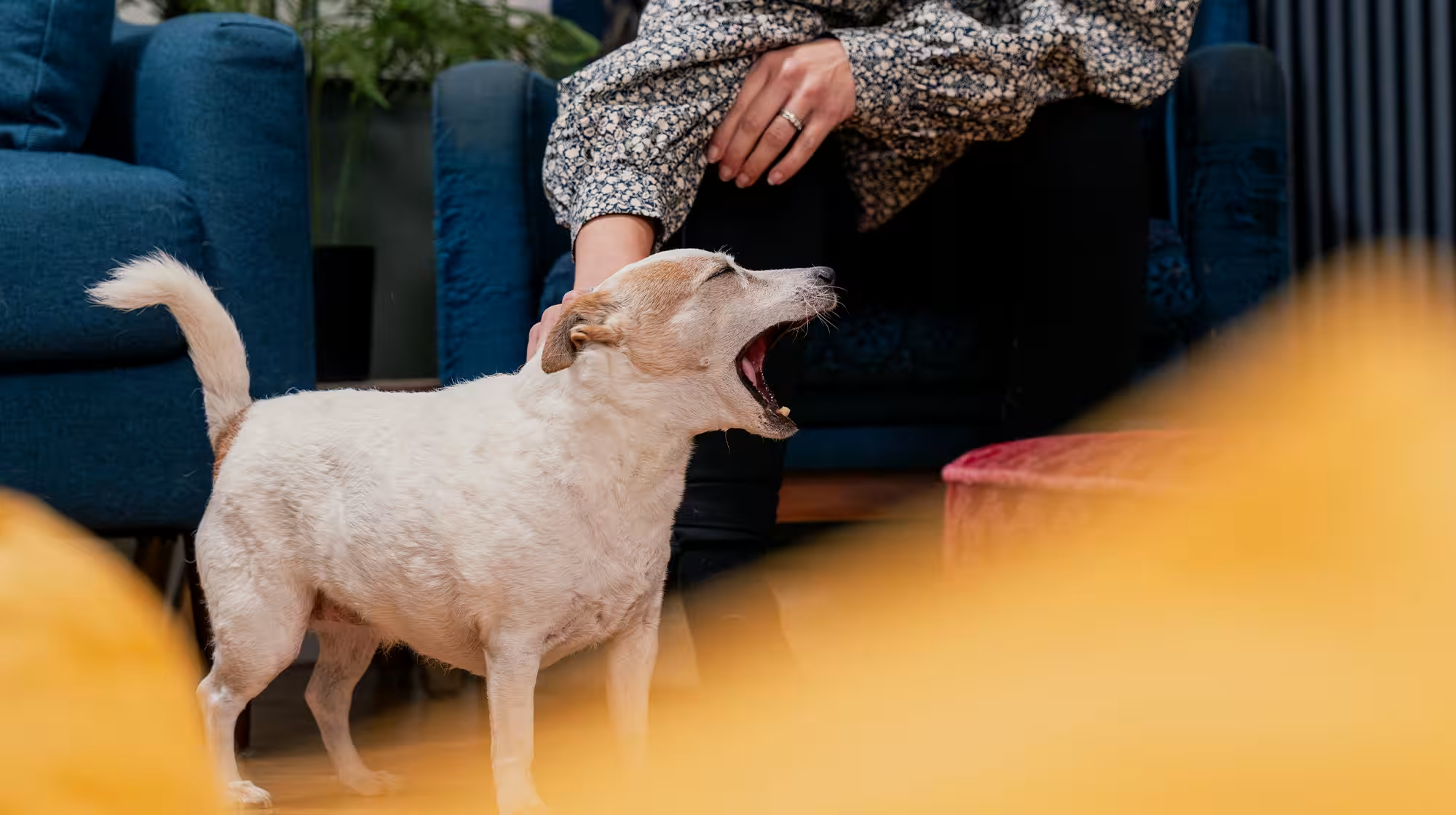
Stages of liver disease in dogs
The severity of your dog’s symptoms could indicate how advanced their liver disease has become. Generally, liver disease progression is defined by early stages and late stages…
Early stages of liver disease
When liver disease is in its early stages, your pooch may display mild symptoms such as decreased appetite, some weight loss, or peeing and drinking more frequently. They might get the odd bout of sickness and diarrhoea. The early stages can be hard to detect, as these symptoms can seem mundane and easily go under the radar. If you have any suspicions that things aren’t right, get your pooch to the vet for a check up.
Later stages of liver disease
During the more advanced stages of liver disease, symptoms are more severe, as the liver’s inability to function causes your pooch to become more unwell. Your dog might be generally lethargic and weak, have jaundice of the eyes, gums and tongue, an inability to hold their pee means they may urinate in the house, and they may vomit, get diarrhoea and go off their food.
What is the treatment for liver disease in dogs?
When it comes to treatment, getting the right food is an important step to manage liver disease in dogs - as if their liver can’t process what they eat it will significantly worsen symptoms and make the dog miserable. Treatment for a dog’s liver dysfunction depends on how advanced the damage is, and could be a combination of the following:
Switching to a hepatic diet is one of the most important treatments for liver disease.


Hepatic Dry Dog Food
This Hepatic dog food is a grain-free, vet-approved recipe to support liver function in cases of liver disease, or chronic liver insufficiency. It contains gentle ingredients known to be kind and gentle on your dog's liver.
-
Veterinary Dog Food
-
Low Copper & High Zinc
-
Low Animal Protein
Current price: £19.99
Hepatic Dry Dog Food
You or a vet should administer medications such as antibiotics, immunosuppressive drugs or nausea medication to manage sickness and symptoms.
Fluid therapy may be useful for maintaining hydration Nutritional supplements such as milk thistle and Omega 3 fatty acids can boost the dog’s health and overall wellbeing.
Supportive measures will be needed, such as monitoring of blood pressure and taking to the vets for check-ups on a regular basis.
What is a Hepatic diet for dogs?
It can be tough to know what to feed a dog with liver disease , but it’s usually vital for their treatment that they’re switched to a hepatic diet. Your vet will likely suggest a hepatic dog food as it’s specially formulated to provide your dog with all the nutrition and supplements they need without putting undue stress on the liver. Hepatic dog food needs to be extra appetising, too, as dogs with a dodgy liver often don’t want to eat.
For dogs with liver issues who also have a grain allergy or who prefer a grain-free diet, Pooch & Mutt has made a specialist dog food for liver disease that contains zero grain. Unlike other prescription hepatic foods, we’ve boosted flavour by adding delicious chicken skin and salmon oil - the perfect amount of succulent fats to make it irresistible to dogs who may have gone off their food. To top it off, we’ve added milk thistle - its natural nutrients are excellent for liver function.
Can liver disease be cured in dogs?
Whether a dog can be ‘cured’ of liver disease really depends on the stage of progression and the cause (for instance, if your pooch has liver damage as a part of diabetes, it would be dependent on the diabetes improving).
Liver disease tends to be progressive, and the damage already done to the liver rarely goes in reverse. However, in many cases liver disease can be managed and slowed so that a dog can live out their days happily. Staying ahead of symptoms, feeding them the right food, and maintaining regular check-ups with the vet will improve your dog’s everyday quality of life and hopefully extend their life, too.
If your pooch has liver disease, you’ll probably have a lot on your mind in regards to getting them the best treatment possible. That’s why Pooch & Mutt has formulated a range of vet-recommended specialist foods for dogs with specific health conditions, including our Veterinary Food for Liver Disease. We’ve created the exact right balance of proteins, nutrients and supplements so rather than fuss over food, you can just focus on caring for and loving your dog every day.
If you want to learn more about what to feed your dog if they have liver problems, check out our blog here .