


Key Takeaways:
- Constipation in dogs occurs when, no matter how hard they try, your dog can’t defecate.
- Dogs can become constipated because they have not enough fibre in their diet, stress, dehydration, not enough exercise, ageing, enlarged anal glands, tumours, extremely matted fur or that they’ve eaten a foreign object.
- You can prevent and treat constipation in dogs with dietary changes, supplements, medical treatments via a vet, increasing exercise.
Pooping should come as naturally to your dog as wagging their tail. But sometimes, it you may notice the familiar squat, but to no avail, or even, some slight discomfort.
When your dog has symptoms of constipation, it can make you feel somewhat hopeless to help them, as well as anxious to solve this for your poor pooch as soon as possible.
Rest assured. There are lifestyle tweaks you can make to encourage your dog to poop and relieve their constipation. Read on for some potential reasons your pooch won’t poop, as well as at-home remedies to get their bowels in motion again.
What is constipation in dogs?
Constipation in dogs occurs when, no matter how hard they try, your dog can’t defecate. As we all know, pooping is a vital step in the process of digesting food and clearing out the bowels.
Backed-up bowels can not only result in pain and discomfort in a dog’s tummy and colon, but also bloat and lethargy. At its worst, it can make your dog very unwell and even cause rectal prolapse.
What are the causes of dog constipation?
Constipation hits dogs for mostly the same reasons humans get it - they usually aren’t getting enough fibre and other nutrients in their diet. If they’re getting a full and balanced diet, however, there are lots of other reasons for constipation in dogs that will need to be considered.
Reasons your pooch might be constipated:
Here are some of the reasons your dog might be stuck without a poop:
Not enough fibre in their diet. This is the most common reason, as fibre is an essential nutrient for poop consistency and bowel regularity.
Stress can cause irregular bowel movements - a stressful event (such as a house move or a vet visit) may frighten your dog’s body into inaction.
Dehydration is another big culprit of constipation. Getting enough water and hydrating a dog’s physical body is essential to healthy bowel movements.
A sedentary lifestyle without enough exercise can also cause dog constipation.
Ageing. As dogs age, digestion becomes a tougher process and a wider range of foods could cause stomach or bowel issues, such as constipation.
Enlarged anal glands will cause pain and distress when your dog poops, which means they might hold back/not feel able to ‘let go’.
Tumours in the colon or stomach can cause an obstruction that means your dog isn’t able to poop.
Extremely matted fur can cause issues with pooping. If thick fur around your dog’s butt makes it hard for them to poop or causes them pain, they may hold back on doing so.
They’ve eaten a foreign object. There could be a blockage somewhere in the colon - either they will pass it eventually, or a vet may have to conduct an x-ray and remove it.
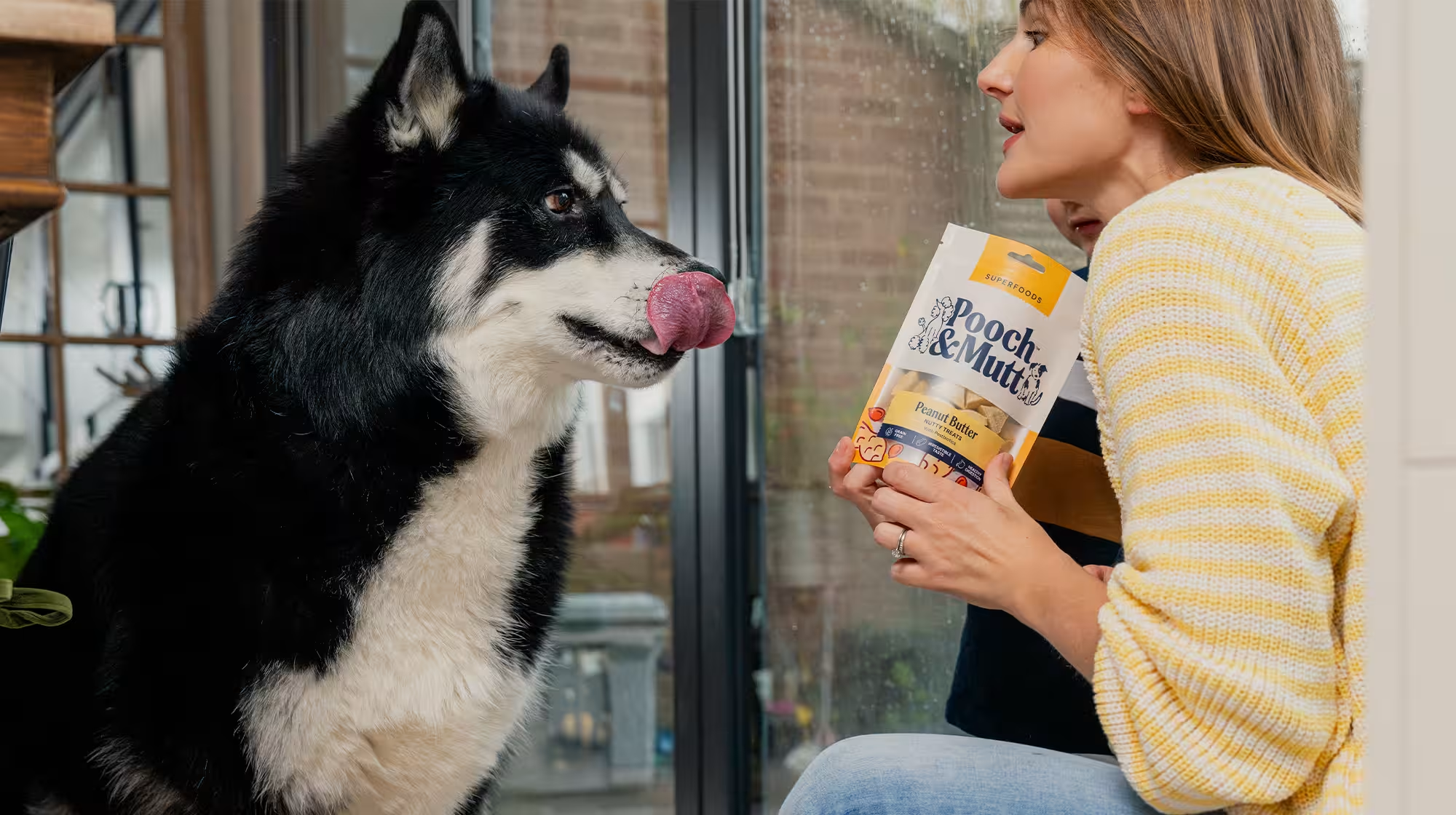
Constipation and your dog's gut microbiome
One contributor towards constipation in dogs also aligns with many of the reasons above, and that is the health of their gut microbiome.
The microbiome is an ecosystem of bacteria that lives within your dog's gut. It's a powerhouse within the body, supporting the function of many important bodily processes, including digestion, immunity and overall gut health .
For things to be functioning smoothly, such as their gut health, the diversity of the bacteria within their microbiome should be rich and balanced . Unbalanced microbiome diversity, or dysbiosis, can cause many symptoms throughout your dog's body, including constipation.
This is due to the direct link between their gut microbiome and their overall digestive and gut health. The health of your dog's gut microbiome and diagnosing dysbiosis can be done so with a dog Gut Health Test via a sample of their poo.


Gut Health Test
Get your results in 4 weeks, with our quick and easy, at-home Gut Health Test for dogs. One simple poo sample, analysed by our microbiologists, and you’ll get personalised recommendations to help your dog thrive.
*This item is excluded from all discount codes.
-
Science backed gut health insights
-
Online report including key health indicators
-
81% saw an improvement in their dog's health
Current price: £69.99
Gut Health Test
Warning signs & symptoms of dog constipation
It’s easy to spot when your dog has constipation; these are some tell-tale signs.
Squatting and straining You’ll find your dog is trying to poop, but struggling to produce anything. They may keep trying to squat to poop, but appear agitated.
Discomfort and pain Not being able to poop is understandably uncomfortable. Your dog may be restless, whimper when their lower body is touched, or seem generally unhappy.
Bloating and increased gas If your dog is constipated they may have a bloated tummy and dislike when their stomach is touched. Due to trapped gas, they might fart a lot more.
Poop is hard and compacted When your dog does manage to poop, it might be small and pellet-like, and usually harder than usual.
No poop for over a day If your dog has simply skipped their usual poop on walkies, and doesn’t try to poop the next day either, this could be constipation.
Dog constipation treatments
So how do we tackle constipation in your pained pooch? Let’s lay out all the available treatments for dog constipation, including both at-home remedies and vet-prescribed, so you’ll soon know how to make a constipated dog poop quickly.
Dietary changes
As constipation is usually the result of a lack of fibre, your first port-of-call should be the food your dog eats. If you know that diet could be improved or tweaked to support your pooch’s bowels, it’s time to go granular with what your dog consumes and fill in the gaps in nutrition.
Add more fibre to their diet. Dogs need a nutritious, well-balanced diet packed with lots of dietary fibre - this is essential for healthy digestion and bowel health, and it promotes regular bowel movements. Fibre comes from foods such as broccoli, courgette, pumpkin, sweet potato, apple or carrots.
Leafy greens such as spinach or kale are also good sources of fibre to encourage bowel movement.
Try probiotics. Probiotics help maintain the environment in a dog’s gut, encouraging digestion and bowel regularity. Boosting the amount of probiotics in your dog’s diet can improve their overall health in big ways - read all about it in our Guide to Probiotics for Dogs.
Consider prescription dog food. Your dog may require a vet visit to get some specialist dog food to help with constipation.
Supplements
Boosting your pooch’s meals with powerful supplements can work wonders in beating constipation. Consider some dog supplements for constipation, such as:
Fibre supplements
These come as tablets or powder to add to a dog’s food, and may contain natural sources of soluble fibre such as Psyllium Husk or Flaxseed.
Pumpkin powder
As pumpkin is such a nutritious natural fibre source, pumpkin powder supplements can give your dog’s gut and bowels a ‘push’.
Probiotics
Probiotics for dogs come in various forms. Though natural ways might come from live yoghurt or vegetables, you can get probiotic treats for dogs , or get them as a probiotic powder to add to your dog’s meals.
Supplements
Natural supplements and vitamins for dogs packed with active ingredients to help provide optimal health.
-

 from
fromCurrent price: £15.99
Dental Powder For Dogs -

 from
fromCurrent price: £11.49
Salmon Oil For Dogs -

 from
fromCurrent price: £10.99
Mobile Bones For Dogs -

 from
fromCurrent price: £10.99
Bionic Biotic -

 from
fromCurrent price: £69.99
Gut Health Test -

 from
fromCurrent price: £18.99
Gut-Skin Support Supplement -

 from
fromCurrent price: £14.99
Joint Tablets For Dogs -

 from
fromCurrent price: £19.99
Hemp Chewies -

 from
fromCurrent price: £18.99
Gut Detoxifier Supplement -

 from
fromCurrent price: £18.99
Multivitamin Complex Supplement -

 from
fromCurrent price: £18.99
Fibre Support Supplement -

 from
fromCurrent price: £18.99
Immunity Support Supplement -

 from
fromCurrent price: £23.99
Microbiome Support Supplement -

 from
fromCurrent price: £18.99
Gut-Joint Matrix Supplement -

 from
fromCurrent price: £35.99
Gut and Skin Itch Essentials -

 from
fromCurrent price: £35.99
Joint Health and Inflammation Bundle -

 from
fromCurrent price: £5.99
Calm & Relaxed Bone Broth -

 from
fromCurrent price: £5.99
Health & Digestion Bone Broth
Medical treatments
If you take your dog to the vet for their constipation issues, they might prescribe the following treatments…
Laxatives
When advised by a vet, laxatives can be a quick and smooth treatment for dogs - just don’t buy them over the counter without a vet’s recommendation.
Stool softeners
work in a similar way to laxatives, and again, are useful for dogs with constipation only when prescribed by a vet. Definitely don’t use human stool softeners on your dog.
More exercise
Your vet might advise more exercise for your dog, particularly if they live quite a sedentary lifestyle. Getting moving more often can work wonders on bowel regularity.
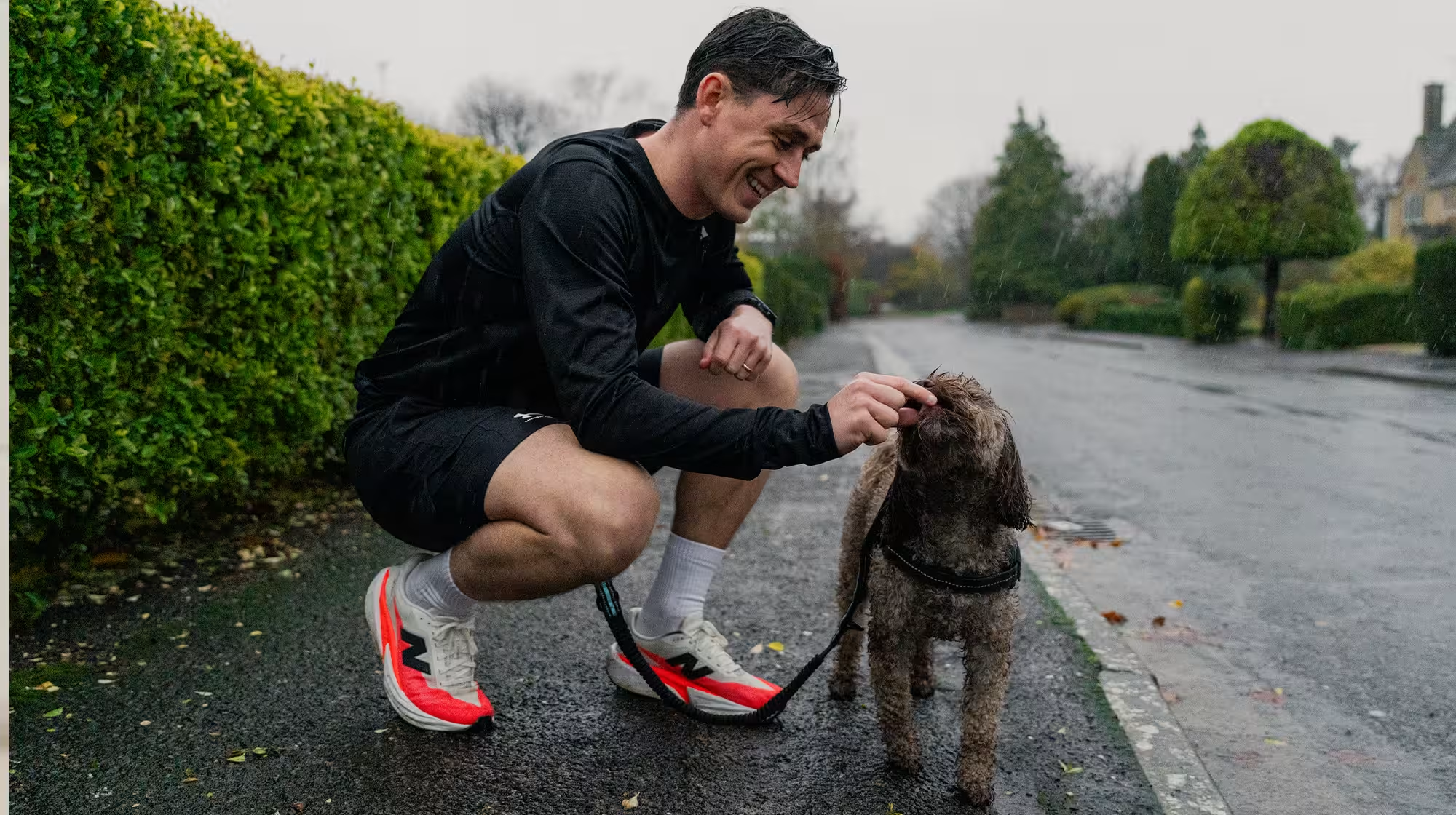
Dog constipation home remedies
It’s not always necessary to take your pooch to a vet if they have constipation - you might like to try a few at-home remedies to get your dog pooping again.
Use manual massage. So long as it doesn’t hurt your dog, use clean hands to massage their lower body and abdomen area. Sometimes a simple massage around a build-up or blockage in your dog can improve the issue. Just be sure your pooch seems relaxed during this, and stop if they express pain or discomfort.
Apple cider vinegar in food can sometimes help get stools moving along. Increase water intake with extra bowls of water around the house, for example, or hydrating foods such as cucumber and watermelon.
Add oil to food. This should be done sparingly, as oil has a high fat content - but a drizzle of olive oil or coconut oil in their usual food can help soften your dog’s poop.
Consider CBD oil. It’s not a recognised veterinary treatment, but there is anecdotal evidence that CBD oil can encourage pooping in dogs. Try a few drops of a high quality CBD oil in your dog’s food and see if it helps.
The Ice Cube Technique
Many dog owners try the Ice Cube Technique on a constipated dog - which is basically giving ice cubes to your dog to eat alongside food.
The idea is that your dog will consume more water than usual (eating ice will hopefully feel like a treat) and get an extra shot of hydration. If you think your dog will stick their nose up at ice cubes, serve your pooch some crushed up ice alongside their regular food.
Be sure to still provide a good amount of water in their regular water bowl - the more water they get, the better. Ample hydration should help ease their constipation and get their bowels moving.
What to avoid when your dog is constipated
Don’t try the following when your dog has trouble pooping.
Enemas. A DIY colonoscopy might seem a good idea, but for dogs, enemas (a procedure in which liquid or gas is injected into the rectum) can be very distressing. Enemas are for vets to carry out under specific circumstances, and should definitely be avoided as an at-home treatment.
Milk. Giving milk to your dog isn’t a proven method for shifting a stuck bowel movement, and even if it did work, dogs are generally lactose intolerant so could experience a tummy upset.
Complications of untreated constipation
It’s important not to ignore it when your dog won’t poop. Not only will your dog feel greater discomfort over time, untreated constipation can lead to a severe blockage in their colon which only exacerbates the problem.
Eventually, your pooch may experience a decreased appetite, a general sense of sickness and lethargy, and may even suffer long-term issues with pooping and straining (such as rectal prolapse). As soon as you notice your dog is having trouble ‘going to the bathroom’, start investigating ways to help them out.
When to see your vet
If you’ve tried adding more fibre to your dog’s diet, massaging their lower body and getting your pooch to drink more water, and still you’re not seeing any improvement after a day or so, it’s time to get in touch with your vet. They can rule out any more serious causes for your dog’s pooping issues, and perhaps prescribe some medication or specialist food to tackle the problem.
FAQs
How do I get my puppy to poop?
If you suspect you have a constipated puppy, you should consult a vet before trying any supplements or home remedies, as puppy’s tums are very sensitive. You can try feeding them some fibre-rich food and get them to drink more water though.
Are there any side effects of using supplements for my dog's digestion?
Supplements can have undesired side effects in your pooch, such as loose stools, nausea or sickness. It’s important to gradually introduce them into your dog’s diet rather than give a sharp uptake in fibre. Chat to your vet for advice specific to your dog.
Why are dogs so picky when choosing a bathroom spot?
A lot of dogs refuse to poop just anywhere. This is because they’re territorial creatures, and choose a specific spot based on scent-marking and their surroundings. Where they choose might also be part of a regular routine for them. Basically, it’s important that they feel comfortable before they settle down to poop.
Can I use over-the-counter laxatives for my dog?
There are laxatives for dogs, but getting them over-the-counter isn’t a great idea. Laxatives can be powerful, and sometimes not the right medication for a specific dog’s issue, so must always be prescribed on the advice of a vet.
If you want to try some alternative remedies, consider some fibre supplements for dogs, such as pumpkin powder. Never use laxatives for humans on dogs - their physical effects are different on the delicate canine body and could cause harm.
Are there any preventive measures I can take to avoid constipation in my dog?
The best way to prevent constipation in your dog is with a fibre-rich, well-balanced diet packed with nutritious, whole ingredients. Nutrition is the fastest route to a healthy digestive system, a harmonious gut microbiome and reliable, regular poops! Also, be sure your dog gets plenty of water to stay well hydrated, and gets their body moving with daily exercise.
If you’re looking to give your dog’s digestive system a boost, get some powerful, gut-nourishing probiotics into their diet with our probiotic supplements for dogs , or delicious probiotic dog treats.


My puppy is just weaned . Is constipated I feel bad for him. He is a little puggle puppy. He not getting his bowels to move. He's been whining all night. You seem to be in a lot of pain. His belly is hurting. I do not know what to do for him..
Hi Robert, Oh we are so sorry to hear this! There can be many causes here and we would want to ensure your pups diet is well-balanced and high in fibre. It may also help if your pups diet contains probiotics to support gut health. If you would like any further guidance on diet do reach out to the team on pooch@poochandmutt.com :) You may also want to try some of the tips in this article, however if things do not seem to improve or worsen, we would always advise seeking further support from your vet.