


Key Takeaways:
- The main benefits of Salmon Oil for dogs includes better brain function, mental development and memory, a glossier and healthier coat, reduces itchy and dry skin, boosts immunity, supports heart health, joint health. eye health and helps with weight management.
- Salmon Oil is packed with Omega-3, which contains DHA and EPA are long-chain acids containing 20 or more carbon atoms. All mammals including dogs don't naturally produce these, so gain it from Salmon Oil.
Salmon oil contains vital ingredients that are essential for a dog’s development.
Read on for an in-depth guide on how exactly salmon oil can benefit your dog and to learn some of the science behind salmon oil’s powerful ingredients.
What are the benefits of salmon oil for dogs?
After feeding it to your dog for just a couple of weeks, you could start to see the following results in your dog:
Better brain function, mental development and memory
Salmon oil can seriously improve brain function in dogs - in fact, it’s particularly recommended for the brain development of growing puppies.
Research carried out by Lewisburg PHNC found that 9-week-old puppies fed on a high DHA diet became more intelligent, easier to train and had improved memory in tests which taught them how to recognise shapes that led them to a treat (3).
You can also feed it to an older dog, as cognitive development needs to be nurtured at all ages. Healthy brain function and development in dogs helps them stay alert, energetic and reactive to their owners (or a ball, or a squirrel, or your neighbour's dog).
A glossy, healthy coat
The anti-inflammatory properties of salmon oil helps to reduce scratching and limit shedding, making your dog’s coat smoother, shinier and more lustrous than ever.
No more itchy or dry skin
The fatty acids found in salmon oil help form a protective layer which moisturises your dog’s skin and acts as a barrier to allergens and irritants. If your pooch does suffer from skin inflammation, Omega 3’s anti-inflammatory superpowers can help reduce itching.
Boosted immunity against diseases
DHA and EPA found in salmon oil can supercharge your dog’s immune system, meaning their body will be naturally stronger in fighting off infectious diseases. A study by K.J. Rutherfurd-Markwick found that cats who were supplied with salmon oil had a greater ability to fight infection and disease. (4)
Improved cardiovascular / heart health
The Omega 3 fatty acids in salmon oil help protect your dog’s heart by managing Cholesterol, Triglyceride and blood pressure levels, meaning their overall stamina and cardiovascular health are improved, and they won’t run out of breath as quickly.
Lubricated joints for better mobility
Salmon oil can help keep your dog’s joints limber and lubricated so they can move around easily - an essential aspect to a dog’s continued mobility as they grow and age.
Bright eyes and sight
A dog’s eyes indicate their overall health and salmon oil can help promote bright, clear eyes and better sight thanks to DHA (Docosahexaenoic acid). Being present in salmon oil, it has been seen to play a role in aiding a pup's brain development and eye function, particularly the retina.
Healthy weight gain, especially for puppies
When rearing a puppy there’s nothing more encouraging than seeing them grow bigger and stronger. As salmon oil is a nutrient-rich source of fat, it’s the ideal way to induce healthy weight gain in a puppy or an underweight adult dog, in a way that includes vital nutrition too.


Salmon Oil For Dogs
Daily Salmon Oil for dogs and puppies, rich in omega-3, 6 & 9 to support skin & coat health, joints, and overall vitality.
-
Omega rich
-
Puppy-friendly
-
99% Scottish Salmon
Current price: £9.49
Original price: £11.49
Salmon Oil For Dogs
Why does salmon oil help dogs?
Salmon oil is beneficial for dogs because of its wonder-trio of fatty acids: Omega 3, 6 and 9. These powerful ingredients are really beneficial to your dog’s body and mind; they promote healthier skin and coat quality, improved heart health, and they boost immune system, brainpower and movement.
What’s the science behind salmon oil?
Omega-3 was recognised as a molecular marvel when it was found to contain fatty acids Docosahexaenoic acid (DHA) and Eicosapentaenoic acid (EPA).
DHA and EPA are long-chain acids containing 20 or more carbon atoms, and in 1929, scientists found that they form the important structural components (1) of healthy cell membranes. In 2004, the US FDA made it official - Omega 3 and 6 were given ‘qualified health claim status’ for being beneficial to normal, healthy growth.
All mammal bodies, including humans and dogs, don’t produce DHA and EPA naturally. To receive these nutrients, vital for our mental and physical development, we have to get them from food such as salmon oil.
How do I feed my dog salmon oil?
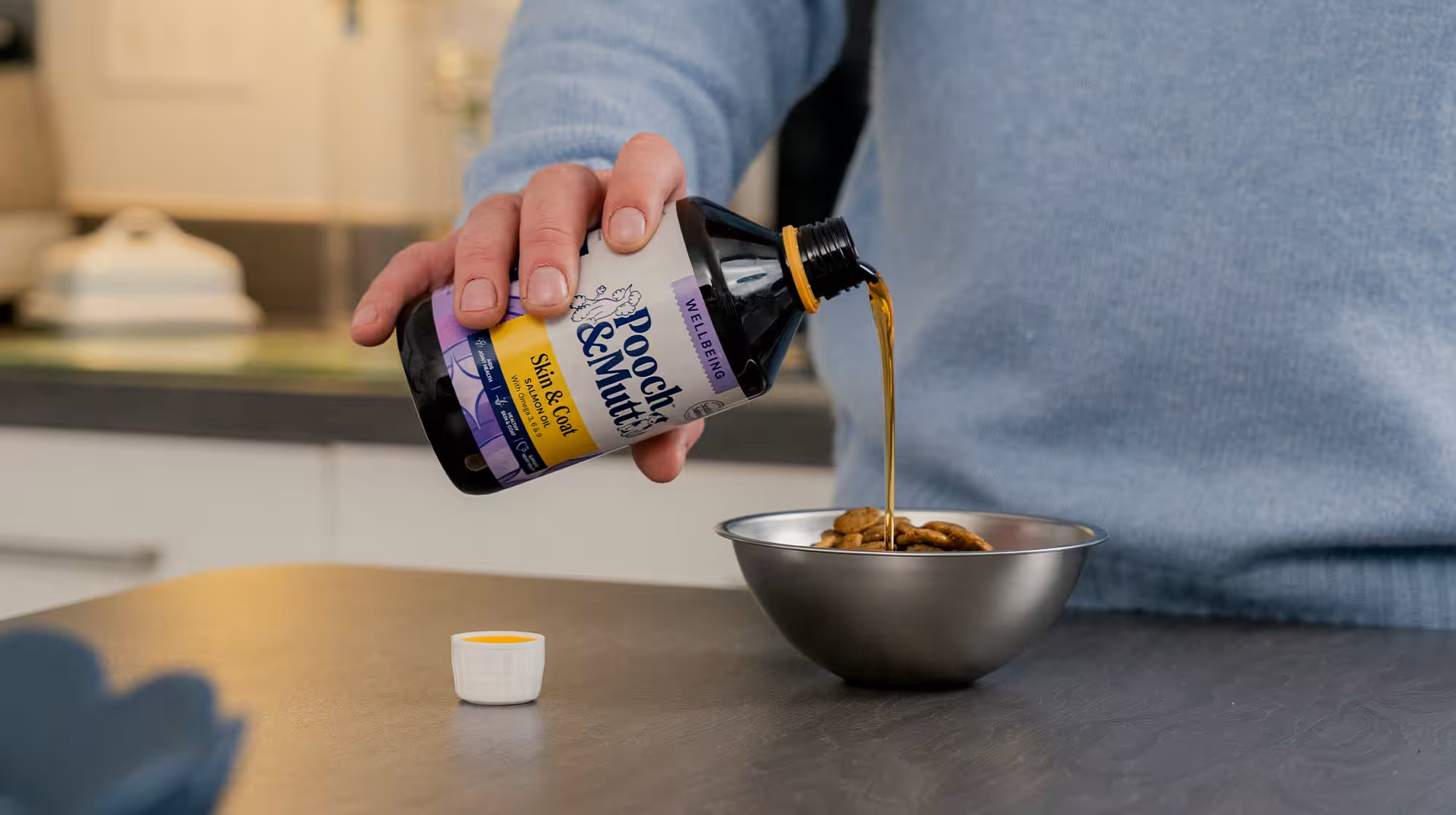
Administering salmon oil to your dog couldn’t be easier - it’s got a strong fishy flavour so they love the taste. Following the guidelines for their size, just drizzle it into their regular food and mix well.
How often should I give my dog salmon oil?
For maximum benefits, feed your dog salmon oil every day. For small dogs, a teaspoon a day is enough. Medium dogs, 1-2 teaspoons. Large dogs, 2-3 teaspoons. Giant dogs, 3-4 teaspoons a day. Clear instructions are on the label of each of our Salmon Oil For Dogs bottles.
How should I store salmon oil - does it go off?
All fish oils have an expiration date; after this, its quality will gradually decrease, and in the worst case, it could make your dog unwell. If you’ve had an unopened bottle of salmon oil for a while, check the expiration date before feeding it to your dog. A fresh bottle should be good for two years if stored in a cool, dry place away from direct sunlight - but use it up within 90 days once you’ve broken the seal, and throw it away if it smells rancid.
Can I give my dog too much salmon oil?
Short answer - yes, or you could risk any of the side effects listed below. Be sure to feed your dog the recommended daily amounts according to their size and age, as indicated on the label on the bottle.
Are there any side effects of salmon oil for my dog?
Most dogs will see the many positives of salmon oil, however with any supplement, there’s always a risk of side effects or allergies. If you notice your dog experiencing any of the following symptoms after taking salmon oil, it’s a good idea to book a visit to your vet and get them checked over, just to be safe.
Weight gain. Salmon oil is very energy-dense and so it’s great for growing puppies or underweight dogs. If your pooch seems to be piling on the pounds (and there’s no change to his exercise or diet but the salmon oil), then you may need to cut back.
Diarrhoea. Salmon oil acts as a lubricant so if pups are fed too much, it can cause diarrhoea. If your pooch has toilet trouble after you’ve introduced salmon oil to their diet, try a few days of just their regular food to see if it makes a difference.
Pancreatitis. If your dog shows the classic signs of pancreatitis - a hunched bag, sustained vomiting over hours or days, diarrhoea, lethargy and/or pain in the abdomen, take them to the vet for treatment and don't continue to feed them salmon oil. Fish oils are too high fat to give to those prone to pancreatitis and has been known to trigger it if the symptoms are already starting to show.

How is salmon oil different from other oils for dogs?
There are plenty of other oil supplements for dogs that offer similar health benefits, but salmon oil is the cream of the crop, and here’s why.
Salmon oil vs other fish oils for dogs
Oils derived from other fish, such as cod liver oil, offer lots of the same benefits to dogs as salmon oil; improved coat and skin quality, a boosted immune system and decreased inflammation.
This is mostly down to their Omega 3 content. That said, prioritising salmon oil helps to avoid Vitamin A overdose, a risk that is brought about by using cod liver oil.
Salmon oil also provides superior Omega 3 absorption in a dog’s body, and it has a fishier taste, which dogs love. Put simply, other fish oils are great, but salmon oil tops them in terms of concentrated goodness (and tastiness).
Salmon oil vs plant-based oils like olive, coconut and flaxseed
As a plant-based alternative to fish oils, we humans often turn to natural oils such as olive, coconut and flaxseed. For dogs, this doesn’t quite work the same way.
While fish oils contain the long-chain fatty acids DHA and EPA found in Omega 3, plant-based oils have more of the short-chain acid ALA (alpha-linolenic acid).
Though ALA is still beneficial to dogs and puppies, they’d have to eat a whole lot of plant-based oil to receive the more potent nutrients found in smaller amounts of salmon oil.
Sold on salmon oil’s dog-enhancing superpowers? To see the benefits in your dog, Pooch & Mutt’s Salmon Oil is sustainably sourced, of the highest quality and packed full of Omega 3, 6 and 9.
If you have any other questions about Salmon Oil that we haven’t covered here, you can contact us via email or leave a comment below and we’ll do our best to help.
This post was originally published in June 2022, but has been updated for comprehensiveness.


My 2yr old Border Terrier suffers with Epilepsy and is currently on a lot of meds to get to a correct level,Lottie has to do it big time and have clusters,therefore having to be hospitalised,such a happy little dog,which is why we are persevering!Should I give her salmon oil? Many thanks.X
Hi Elizabeth, we put your question to our vet who have advised the following "Yes, we often advise fish oil supplementation. While there is no concrete evidence it helps, it may help and should do no harm." Hope that helps! Team Pooch
My small dog is a fussy eater and may not always eat her food. Can I give the Salmon Oil direct in her mouth?
Hi Anna, We don't see any reason why not if your dog would prefer that to on her food!