


Is your puppy feeling under the weather? As a vet, I've seen countless worried pet parents rush in with their poorly pups. It's never nice to see your pet unwell, but don't panic straight away - many cases of puppy sickness are mild and can either be managed at home or with a quick trip to the vets.
When your puppy is sick, you might notice vomiting, diarrhoea, or a lack of appetite. These symptoms can have many causes, from eating something they shouldn't to more serious illnesses. It's important to keep a close eye on your pup and know when to seek help.
If you’re wondering what to do next, we’ll cover how to care for your sick puppy and when it's time to ring the vet. We'll cover common causes of puppy illness, home remedies, and red flags to watch out for. By the end, you'll hopefully feel more confident in handling your pup's tummy troubles.
Understanding the causes of puppy vomiting
Puppies can be sick for various reasons. Let's look at why your puppy might be feeling under the weather and what you can do to help.
Vomiting vs regurgitation
Firstly, It's crucial to tell the difference between vomiting and regurgitation in puppies. Vomiting involves forceful ejection of stomach contents that have been at least partially digested, often with retching. Regurgitation is a passive process where food comes back up without effort, often immediately after eating.
Vomiting usually means your pup's tummy is upset and they feel nauseous. Regurgitation could point to problems with the oesophagus or simply eating too quickly. If you're not sure which your puppy is doing, try to get a video for your vet.
It’s also important to keep an eye on what comes up. Is it food? Bile? Foreign objects? This info can help your vet pinpoint the cause.
Why is my puppy being sick
Puppies are curious creatures who love to explore with their mouths... which can lead to tummy troubles. Common causes of puppy sickness include:
Eating too fast
Dietary changes (abruptly changing the food is not well tolerated, you want to transition on to a new diet over several days)
Dietary indiscretion (eating something rotten)
Swallowing objects like toys or sticks
Parasite infections like worms
More serious infections like Parvovirus


Treat Ball
The ultimate challenge, our Puzzle Ball for dogs provides mental stimulation - encouraging them to work harder for their food. And as they work, the rubber grooves gently clean teeth too.
-
Helps to relieve boredom
-
For all breeds and ages
-
Encourages dogs to work harder for their food
Current price: £8.99
Treat Ball
Signs and symptoms to look out for
Spotting a poorly pup early can make all the difference. Keep an eye out for changes in appetite, energy levels, and bathroom habits. These can be key indicators of your puppy's health.
Vomit colour chart
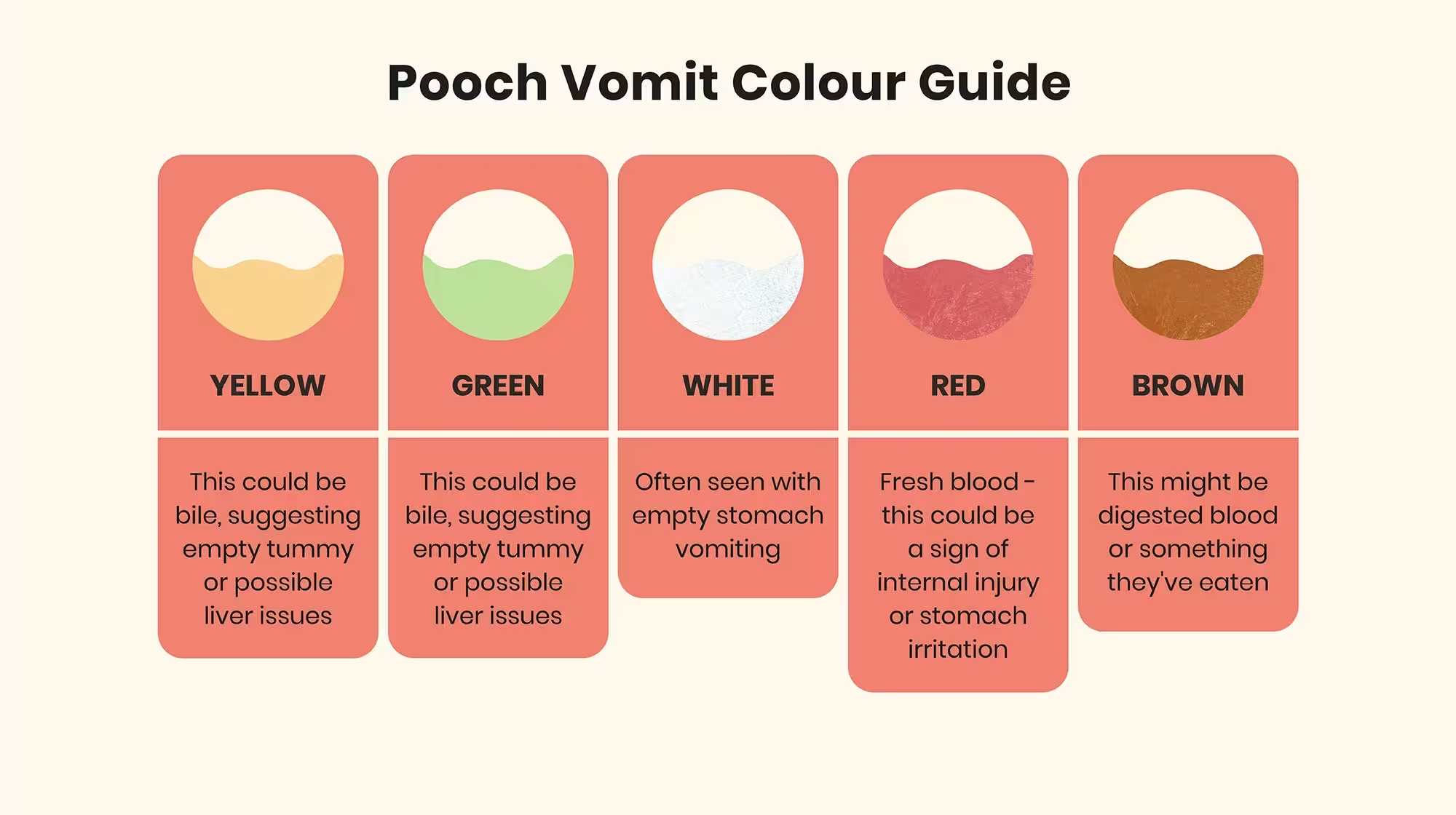
As a vet, I've seen my fair share of puppy sick. The colour of your pup's vomit can tell you a lot about what's going on inside. Here's a quick guide:
Yellow or green: This could be bile, suggesting an empty tummy or liver issues.
Red: Fresh blood - could be a sign of internal injury or stomach irritation.
Brown: Might be digested blood or something they've eaten.
White and foamy: Often seen with empty stomach vomiting.
If your pup's been sick more than once or twice, give your vet a call.
When to seek medical attention from a vet
When it comes to a poorly puppy, it's crucial to know when they need professional care. Let's look at some key signs that might warrant a trip to the vet.
Puppy being sick but seems fine?
When a puppy vomits but continues to act normally - playing, running around, and showing no changes in behaviour or appetite, there’s generally no immediate concern. Puppies may vomit occasionally due to minor issues such as eating too quickly, eating spoiled food, or it can even be due to stress. However, their condition can of course progress to something worse, so it’s important to keep a close watch on their overall behaviour and health following any incident of vomiting.
Recognising warning signs
Spotting the signs of illness in your puppy early can make a big difference. Let's look at two key issues to watch out for: changes in eating habits and diarrhoea.
Puppy not eating
Is your puppy turning their nose up at dinner? A sudden drop in appetite can be a red flag. Keep an eye on how much they're eating and drinking. If they skip a meal, don't panic - but if it goes on for more than a day, it shouldn't go ignored.
Diarrhoea
Runny poos are common in puppies, but they can be a sign of trouble. The odd loose stool isn’t too much of a concern but frequent, watery stools can be a sign of something more serious - especially if there's blood or mucus.
If diarrhoea lasts more than a day or your puppy seems lethargic, then see your vet. Parasite infections are a particularly common cause of diarrhoea in puppies and so treatment is likely needed.
Diagnosing the underlying issue
When your puppy falls ill, finding the root cause is crucial. Let's explore how vets pinpoint the problem and some common culprits behind puppy sickness.
Veterinary examination and tests
Your vet will start with a thorough physical examination. They'll check your pup's temperature, heart rate, and breathing. They’ll also feel the tummy to check for any lumps or pain.
Blood tests or faecal samples are often next. These can spot infections or parasites.
X-rays or ultrasounds of the abdomen might be needed if your vet suspects a foreign body. These tests can show if your puppy has swallowed something they shouldn't have.
Managing puppy vomiting
When your puppy’s sick, it's important to take the right steps to help them recover. Here are some key ways to manage puppy vomiting and get your furry friend back on their paws.
Starve them for a short amount of time
If they are more than 6 months old, give your pup's tummy a break by withholding food for 12-24 hours. This allows their digestive system to settle. Don't worry, it won't harm them!
During this time, keep an eye on your puppy. If they seem weak or lethargic, call your vet straight away.
After the fasting period, if your pup hasn't been sick again, you can start reintroducing food. But don't rush back to their normal diet just yet!
Give them small, regular, bland meals
Once the fasting period’s over, it's time for some bland meals. Think of it as puppy comfort food!
Here's what to feed them:
Boiled white rice
Boiled white fish or chicken (no skin or bones)
Small portions every 3-4 hours
Start with tiny amounts - about a tablespoon for small breeds and a bit more for larger pups. If they keep it down, gradually increase the portion size and decrease the frequency over a few days.
Avoid fatty foods, treats, and their regular kibble for now. These can upset their tummy again.
Make sure they drink plenty of water
Vomiting can lead to dehydration, so keeping your pup hydrated is crucial. But don't let them guzzle too much at once!
Offer small amounts of water frequently. If they can't keep water down, try ice cubes to lick instead.
Signs of dehydration include:
Dry, sticky gums
Sunken eyes
Loss of skin elasticity
Weakness
If you spot these signs, contact your vet immediately. They might need IV fluids to rehydrate.
Let them rest
Rest is key for recovery! Create a quiet, comfy spot for your pup to relax, and limit exercise and playtime until they're feeling better.
Keep them away from other pets to prevent spread of any potential bugs. And don't forget to give them lots of gentle cuddles and reassurance!
If your puppy doesn't improve after 24 hours, or if they show signs of lethargy, pain, or blood in their vomit - don't wait. Call your vet right away. They might need medication or further tests to get to the bottom of the problem.
Remember, puppies can get poorly quickly, so it's always better to be safe than sorry!
Preventing future episodes of vomiting
Keeping your puppy's tummy happy is key to avoiding more sickness. Let's look at some ways to help your puppy stay healthy and vomit-free.
Tips for a healthy digestive system
Start by feeding your pup small meals throughout the day - this helps their tummy digest food more easily. And always have fresh water available too.
Keep an eye on what your puppy eats. Don't let them scavenge for rubbish or leftovers as these can upset their stomach.
Regular exercise is brilliant for digestion. A short walk after meals can help food move through their system.
Lastly, keep your puppy's stress levels low. A calm pup is less likely to have tummy troubles.
Maintaining a balanced diet for puppies
Choosing the right food is crucial. Look for high-quality puppy food that's appropriate for their age and size.
Don't change your puppy's diet suddenly. If you need to switch foods, do it gradually over a week by mixing the new food with the old, slowly increasing the amount of new food.
Avoid giving your pup table scraps or human food. These can be hard for them to digest. Stick to treats made for puppies, and don't overdo it.
Remember, puppies have different nutritional needs than adult dogs. Make sure their food has the right balance of proteins, fats, and carbohydrates for growing pups - and always choose a food that’s branded as puppy food to ensure this is the case. The Pooch & Mutt puppy food is an excellent choice here.
Puppy
Vet-recommended food and supplements, perfect for healthy pup growth and development
-

 from
fromCurrent price: £8.99
Puppy Complete Dry Superfood -

 from
fromCurrent price: £2.49
Puppy Wet Food -

 from
fromCurrent price: £3.99
Puppy Beef Jerky Training Treat -

 from
fromCurrent price: £35.49
Puppy Complete Bundle -

 from
fromCurrent price: £10.49
Meaty Treats Taster Pack -

 from
fromCurrent price: £11.49
Salmon Oil For Dogs -
 from
fromCurrent price: £3.99
Calming Probiotic Meaty Treats -

 from
fromCurrent price: £3.99
Dental Probiotic Meaty Treats -

 from
fromCurrent price: £5.99
Health & Digestion Bone Broth -

 from
fromCurrent price: £5.99
Calm & Relaxed Bone Broth -

 from
fromCurrent price: £3.99
Peanut Butter Probiotic Nutty Treats -

 from
fromCurrent price: £15.99
Dental Powder For Dogs
How to stop your puppy being sick in the car
Car sickness is common in puppies. To help, start with short trips and gradually increase the length.
Make the car a fun place. Give your pup treats or toys they only get in the car, as this can help them associate car rides with positive experiences.
Try not to feed your puppy right before a car journey. A light meal a few hours before is better.
Opening windows slightly can help reduce motion sickness. You can also try special calming products for dogs, like pheromone sprays or products from the Pooch & Mutt Calming Range.
If these tips don't work, chat with your vet as there is medication available to help with car sickness.
FAQs
When should I be concerned about my puppy throwing up?
You should be concerned if vomiting is frequent, contains blood, or is accompanied by lethargy, diarrhoea, or signs of dehydration. Consult a vet if it persists beyond a day.
Is it normal for puppies to be sick?
Occasional vomiting can be normal for puppies due to dietary indiscretions or mild stomach upset. However, frequent or severe illness isn’t normal and should be evaluated by a veterinarian.
What to do after a puppy throws up?
After vomiting, withhold food for several hours but provide small amounts of water frequently. Gradually reintroduce a bland diet, such as boiled chicken and rice. If vomiting continues, seek veterinary advice.
What does dog vomit to be concerned about look like?
Vomit to be concerned about may include blood (bright red or coffee-ground in appearance), an unusual colour like green or yellow, or could be excessively foamy. A foul odour or the presence of foreign objects also warrants concern.