


Key Takeaways:
- Gastroenteritis literally means ‘inflammation of the stomach and intestines’. It usually causes vomiting, diarrhoea and stomach pains in dogs as well as dry heaving and lethargy - though not necessarily all of those things.
- Symptoms of gastroenteritis in dogs include diarrhoea, vomiting, blood in stools, stomach pains and loss of appetite.
- Gastroenteritis isn’t contagious on its own, but it can be carried in viruses and bacteria - so in those cases, it is contagious.
- Treatment can vary for gastroenteritis, from a few days of rest to being kept at the vet’s on an intravenous drip in isolation so as not to spread the sickness to other dogs. The most common treatment is a strict diet of specific foods and given medication to settle their stomach.
Gastroenteritis can be an unpleasant experience for dogs and should be taken seriously, but when picked up early, they usually make a full recovery.
You can also feed your dog a combination of gut-friendly foods and supplements to both ease the symptoms of gastroenteritis and prevent another bout in future.
Read on for an in-depth guide to the causes, symptoms and treatment for gastroenteritis in dogs (and brace yourself for talk of poop).
What is gastroenteritis in dogs?
Gastroenteritis literally means ‘inflammation of the stomach and intestines’.
As a dog’s stomach is delicate and very responsive to bacteria and toxins, gastroenteritis in dogs is a relatively common condition (1).
It usually causes vomiting, diarrhoea and stomach pains in dogs as well as dry heaving and lethargy - though not necessarily all of those things.
There are different severities of gastroenteritis, so it pays to be vigilant when noticing unusual bowel movements or ‘off’ behaviour in your dog. Though common gastroenteritis is treatable and usually passes quickly, there are other more aggressive forms to look out for - and sometimes, gastroenteritis can be a symptom of something else.
How long does gastroenteritis last?
How long gastroenteritis lasts is variable, and highly dependent on what your dog has picked up. If it comes on suddenly and randomly in a one-off bout of sickness, it’s Acute Gastroenteritis.
If your dog has had diarrhoea or been repeatedly unwell for a period of weeks or even months, this could be Chronic Gastroenteritis - which can indicate an underlying problem or condition.
What is haemorrhagic gastroenteritis (HGE) in dogs?
Beware of blood in your dog’s stools, as this could indicate Haemorrhagic Gastroenteritis (HGE). This is a more severe form of the condition caused by a specific bacterium in your dog’s gut. HGE usually clears up with emergency treatment, but it can be lethal if ignored, and is more commonly seen in smaller dogs (2). Take your dog to the vet immediately if you suspect it.
What causes gastroenteritis in dogs?
Gastroenteritis has many forms and is picked up in lots of ways - so you may never find out exactly what caused it.
One of the main causes of gastroenteritis in dogs is an imbalance of bacteria in the gut, or dysbiosis. An unbalanced gut microbiome can lead to a number of gut health and digestive issues, as well as inflammation of the gut. This can lead to or worsen cases of gastroenteritis.
Ingesting old or spoiled food, such as contaminated chicken or fish that was past its best.
Your dog may have ingested toxins from something in the house or outside.
They might have picked it up from another dog, through a virus or bacteria.
Sometimes gastroenteritis is a symptom of something else such as an underlying kidney or liver problem. That’s why in every case, it’s safer to get your dog checked over by a vet.
Is gastroenteritis contagious in dogs?
Though gastroenteritis itself isn’t contagious (as it refers to inflammation of the gut and intestines), when it isn’t brought on by food poisoning or ingestion of toxins, it can be carried in viruses and bacteria - so in those cases, it is contagious.
Sickness bugs such as the canine parvovirus (CPV), for example, are carried in dog faeces and can therefore spread quickly to dogs who use the same park or walking paths (3).
Symptoms of gastroenteritis in dogs
If your pup has gastroenteritis, they could display all or one of the following symptoms.
Diarrhoea
The most common sign of gastroenteritis in dogs is soft stools - often starting with a poop that appears softer than usual, then becomes more watery and with more mucus with each bowel movement. Sometimes, your dog may appear well, but has uncharacteristically pooped in the house. These toilet issues could be the only symptom of gastroenteritis that your dog shows.
Vomiting
If your poor pooch is being sick regularly, with or without accompanying diarrhoea, this is a clear indicator to take him to the vets. Without diarrhoea, they could have gastritis (inflammation of the stomach), which still needs to be treated.
Blood in stools
Pay attention if your dog’s poop has signs of blood in it, as bloody diarrhoea in dogs could be a symptom of hemorrhagic gastroenteritis (HGE). Don’t panic - HGE in dogs is treatable, but is a much rarer and more severe version of the condition, so should be responded to with emergency vet care.
Stomach pains
If your pooch whimpers or shows signs of discomfort when you touch them around the stomach and hind legs, they could have tummy pains due to gastroenteritis.
Loss of appetite
One of the less obvious signs of gastroenteritis in dogs is if your pup is off at meal times, especially if they’re usually hyper at the mere sight of the dog food spoon.
If your dog comes down with any of the above symptoms very suddenly, it’s essential that they see a vet as a matter of urgency. In severe cases gastroenteritis can be fatal, with younger dogs being most at risk.
How is gastroenteritis in dogs diagnosed?
Gastroenteritis can be tricky to diagnose, as dog vomiting and diarrhoea are both symptoms of a range of illnesses and intolerances. It’s important to take your dog to a vet quickly if they’re being sick or having recurring toilet trouble.
The vet will likely:
Fully examine your dog.
Ask about their movements in the preceding days, including how they’ve been behaving, where they’ve been and what they’ve eaten.
In some cases they might take blood or urine tests.
Gastroenteritis is usually diagnosed once any more serious causes of your dog’s sickness are excluded.
Treatments for gastroenteritis in dogs
As the severity of gastroenteritis in dogs varies significantly, treatment can too. Your dog may become well after a few days of rest, or they may be kept at the vet’s on an intravenous drip in isolation so as not to spread the sickness to other dogs.
In a more common case, your dog will likely be sent home with a strict diet of specific foods and given medication to settle their stomach.
Recovery time for dog gastroenteritis
After diagnosis and treatment begins, it will usually only take a few days of rest for your beloved pooch to make a full recovery. Keep an eye on them during this time and be sure to return to the vet immediately if there is no change or a worsening of their condition.
How to manage & prevent gastroenteritis
Though gastroenteritis in dogs is a pesky illness that occurs sporadically and without warning, there are steps you can take, nutrition wise, to both lower the risk of getting gastroenteritis and of managing the symptoms should your dog pick it up.
If your dog has been diagnosed with gastroenteritis:
Add an electrolyte supplement to their water to ensure quick rehydration.
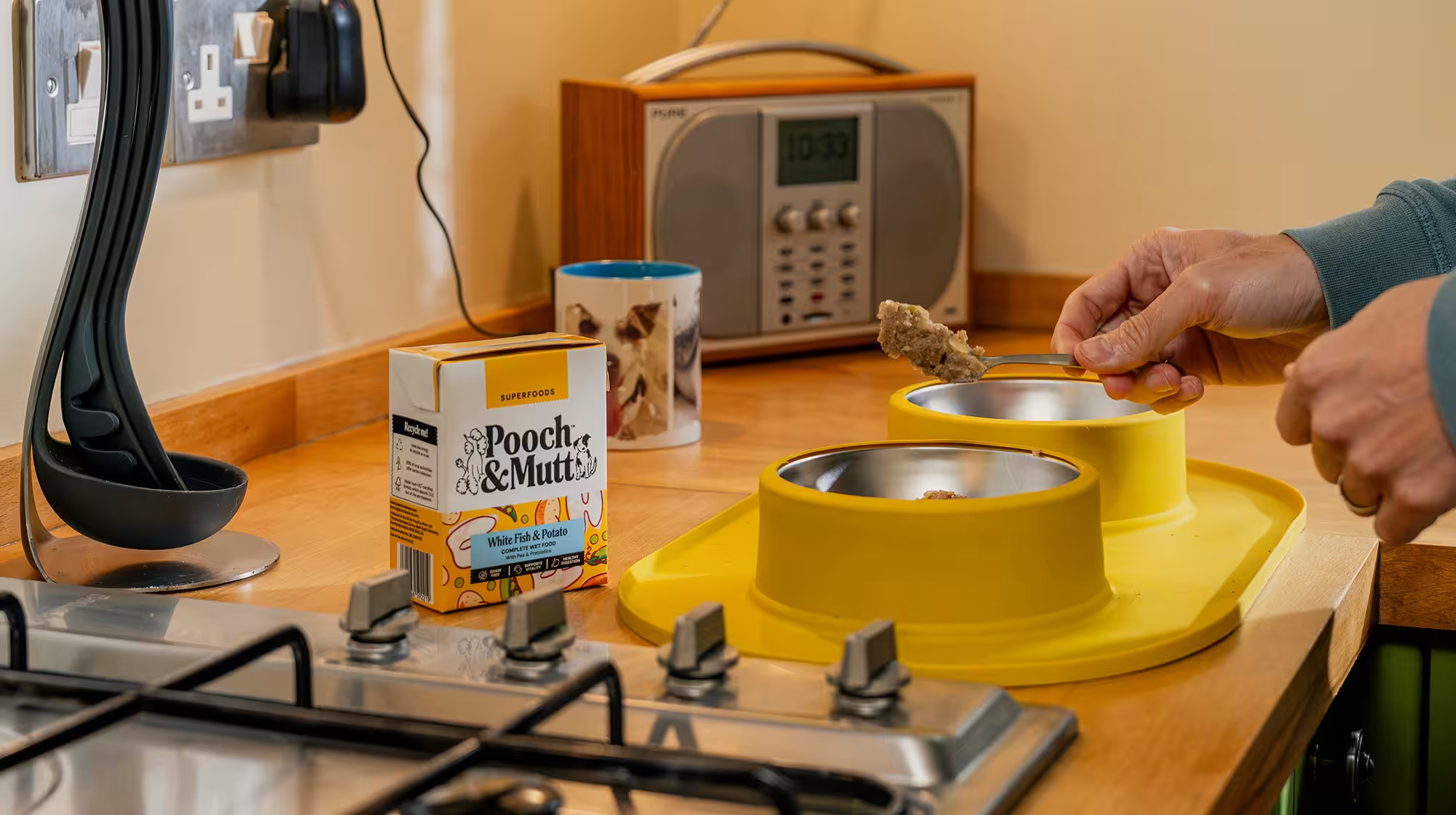
Feed them food that is mild and easily digestible, such as our Fish, Potato and Pea Wet Food, for instance - easy on the digestive tract and great for dogs with sensitive tummies.


Fish, Potato & Pea Wet Food
A complete, grain free, Fish wet dog food, that's ideal for allergies. This premium recipe is packed with fresh ingredients - a simple recipe for sensitive stomachs.
-
Locally sourced in the UK
-
100% recyclable packaging
-
64% Fresh White Fish
Current price: £2.49
Fish, Potato & Pea Wet Food
Avoid strenuous exercise until fully recovered.
To lower the risk of gastroenteritis:
Feed your dog regular meals - the same portion size at the same times.
Don’t let them scavenge on walks.
Keep their diet stable, i.e. don’t introduce new ingredients too quickly or in large amounts.
Introduce foods recommended for digestion/a healthy gut. Our Health & Digestion Dry Food, for instance, is formulated to boost gut health in dogs with poor digestion.
Bolster their diet with healthy, immunity-boosting nutrients. Our best-selling Bionic Biotic is super popular, as it’s a probiotic supplement that promotes solid stools and smooth digestion.
Supplements
Natural supplements and vitamins for dogs packed with active ingredients to help provide optimal health.
-

 from
fromCurrent price: £11.49
Salmon Oil For Dogs -

 from
fromCurrent price: £15.99
Dental Powder For Dogs -

 from
fromCurrent price: £10.99
Mobile Bones For Dogs -

 from
fromCurrent price: £10.99
Bionic Biotic -

 from
fromCurrent price: £69.99
Gut Health Test -

 from
fromCurrent price: £18.99
Gut-Skin Support Supplement -

 from
fromCurrent price: £14.99
Joint Tablets For Dogs -

 from
fromCurrent price: £19.99
Hemp Chewies -

 from
fromCurrent price: £18.99
Gut Detoxifier Supplement -

 from
fromCurrent price: £18.99
Multivitamin Complex Supplement -

 from
fromCurrent price: £18.99
Fibre Support Supplement -

 from
fromCurrent price: £18.99
Immunity Support Supplement -

 from
fromCurrent price: £23.99
Microbiome Support Supplement -

 from
fromCurrent price: £18.99
Gut-Joint Matrix Supplement -

 from
fromCurrent price: £35.99
Gut and Skin Itch Essentials -

 from
fromCurrent price: £35.99
Joint Health and Inflammation Bundle -

 from
fromCurrent price: £5.99
Calm & Relaxed Bone Broth -

 from
fromCurrent price: £5.99
Health & Digestion Bone Broth
To protect your dog from nasty stomach bugs, browse Pooch & Mutt’s range of natural, digestion-boosting pet foods . If you have further questions about preventing and treating gastroenteritis in dogs, you can send us an email, or chat to your vet.
References
‘Gastroenteritis’, 2015 -
‘Hemorrhagic Gastroenteritis’, 2008,
‘New viruses associated with canine gastroenteritis’, 2013,