


Key Takeaways:
- People have seen soothing effects from calming treats on their anxious dog, but this will always differ from dog to dog, and their level of anxiety.
- Calming treats often contain natural ingredients such as Hemp, Chamomile, L-tryptophan, Sweet Potato, Lavender, Valerian Root, Prebiotics and Probiotics.
Dogs are emotionally in-tune - it’s one of the reasons we love them so much. However they can be overly reactive to their surroundings, suffering from stress, anxiety or over-excitement based on what’s going on around them.
There’s plenty of ways to help treat a dog with anxiety, from behavioural training to weighted blankets to medication - but when you’re needing an instant soother, calming treats for dogs are a nifty way of giving a dog a quick release of natural relaxants.
In this guide to calming dog treats, we’ll give you the full lowdown on treats made to soothe your dog’s nerves; from what ingredients they tend to include, to how many you should give them - and whether their calming effects actually work…?
Do dog calming treats really work?
The biggest question in your head surrounding calming dog treats is probably, do they even work? Though it’s always dependent on your individual dog and their level of anxiety, the answer is usually yes, they can help.
Our resident expert, Vet Linda, explains:
“Calming treats can be an important tool in our toolbox when it comes to helping our anxious pooches. Food is undeniably powerful and certain ingredients have the potential to affect both mood and anxiety and to encourage rest and relaxation.
As well as providing calming treats, an owner of an anxious dog may consider using a calming diet, modifying their dog's environment and using training programmes. Very anxious dogs may benefit from prescription medicine and/or the input of a professional behaviourist.”
What calming ingredients are used for dog treats?
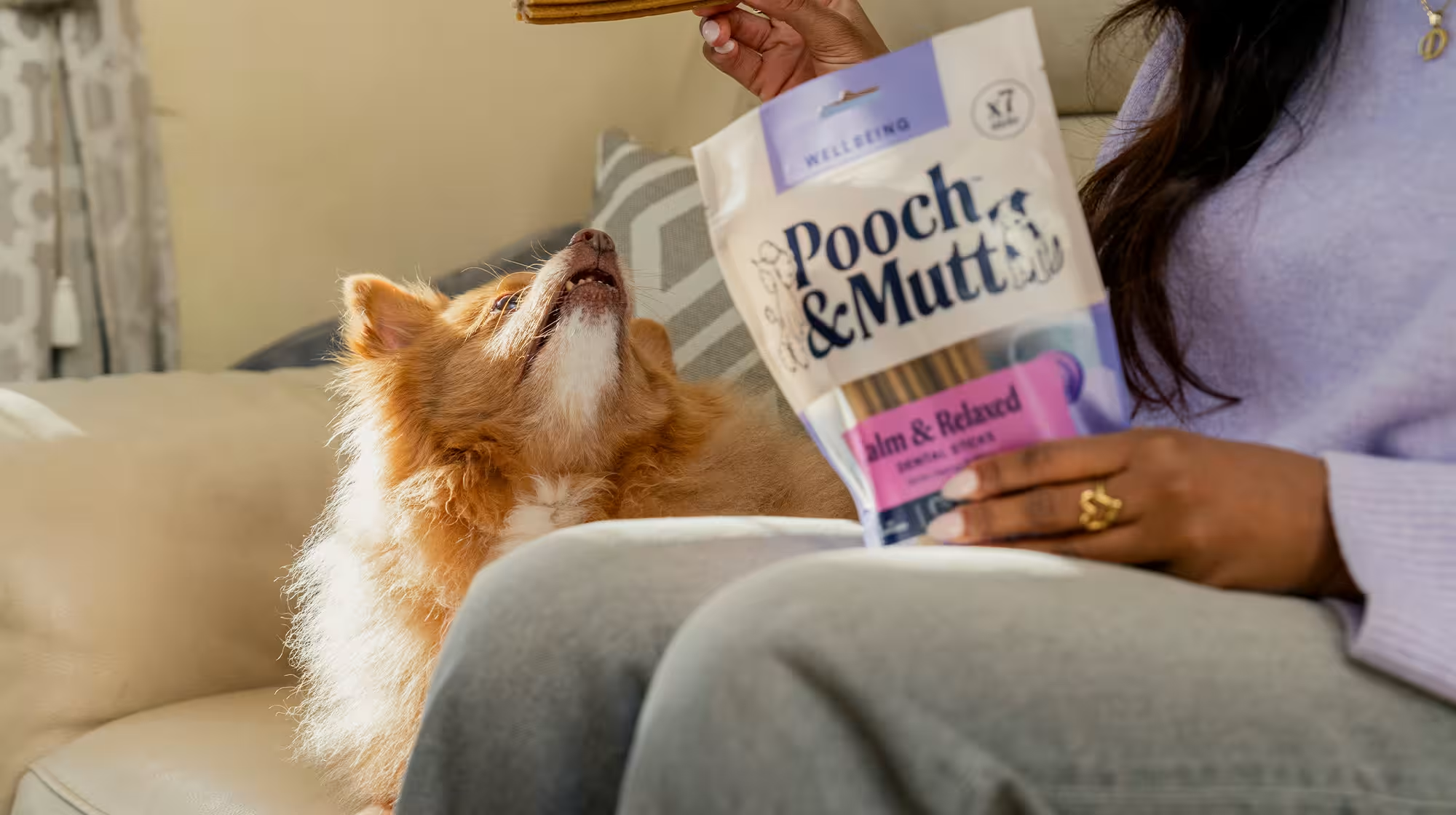
Calming treats for dogs come in all sorts of forms, shapes and sizes - from calming dog biscuits, to dental sticks, to chews to calm a dog. There’s even puppy calming tablets for nervous pups that need help to relax.
Whatever form they come in, natural dog calming products usually contain a specially chosen range of known relaxants to soothe a dog’s anxiety without relying on artificial ingredients or fixes.
This could include:
Chamomile. The flowering plant has been used for hundreds of years as a natural relaxation aid and mild sleep remedy.
Hemp. The hemp plant is renowned for its naturally occurring compounds called cannabinoids, which can have calming and anxiety-reducing effects on dogs by interacting with serotonin receptors in the brain.
Hemp that’s safe for our pooches is THC free - meaning it’s free from tetrahydrocannabinol; the compound that causes intoxication. This means THC free hemp won’t have psychoactive effects on your dog, and is safe for them to consume.
L-tryptophan. Found in food such as lean turkey, L-tryptophan helps the release of serotonin, a brain chemical which can elevate the mood of dogs to reduce anxiety as well as helping with sleep.
Sweet potato. This tasty carbohydrate contains high levels of B vitamins which act as mood boosters, having a natural ‘anti-stress’ effect.
Lavender. The musky scent of purple lavender flowers are known to induce a sleepy sensation, and so are often used in aromatherapy.
Valerian root. The compounds on valerian root contain mild sedative properties, which can cause a feeling of relaxation in some dogs.
Probiotics and prebiotics. The brain is intrinsically linked to the gut via the gut-brain axis, so when the gut has balance, in theory it should boost mood and encourage clear-headedness. Probiotics and prebiotics promote friendly bacteria in the gut, which should settle any unease in the stomach and keep your dog feeling calm.
Calming Range
-

 from
fromCurrent price: £41.49
The Calm & Relaxed Bundle -

 from
fromCurrent price: £3.99
Calming Probiotic Meaty Treats -

 from
fromCurrent price: £8.49
Calm & Relaxed Dry Food -

 from
fromCurrent price: £5.99
Calm & Relaxed Bone Broth -

 from
fromCurrent price: £4.99
Calming Fish Hide Chews -

 from
fromCurrent price: £19.99
Hemp Chewies -

 from
fromCurrent price: £3.99
Calming Dental Sticks For Dogs -

 from
fromCurrent price: £1.99
Calm & Relaxed Complete Wet Food
Are calming treats safe for dogs?
Commercial dog treats have to pass certain standards to be sold in the UK, so in general they are safe for dogs to eat. That said, there are different standards of dog treats - and your pooch may have specific dietary requirements that mean you should pay special attention to the ingredients.
What’s more, as calming treats are considered ‘nutritional supplements’ rather than medication, there’s the chance that pet food manufacturers can make unsubstantiated claims.
As a rule, you can assume that calming dog treats containing natural ingredients will have a much more beneficial effect on your dog than sugary or fatty ‘calming treats’ containing junk and artificial preservatives.
For dogs with grain allergies, our Pooch & Mutt calming treats are organic and grain-free, so are safer for dogs who are allergic to grain or struggle to digest it.
Overall, be sure to always read the ingredients, and test feed a new treat to your dog to check they digest it well and have no untoward side effects before letting them munch regularly.
Can I give my dog calming treats every day?
It’s usually fine to feed your dog calming treats every day - but always be aware of how many calming dog treats you distribute to your jumpy pooch on a daily.
Not only can it encourage unhealthy eating habits if you treat your dog without limits, the natural ingredients in calming dog treats can cause side effects if a pooch has too high an intake.
How many treats you should feed your dog depends on their size, age and health condition, but there should be general guidelines on the side of the packaging.
When should I feed my dog a calming treat?
The best time to slip your dog a calming treat is either pre-emptively, when you expect your dog is about to become excited or nervous (perhaps when a visitor is due to arrive, or while you’re preparing to visit the vet). If your pooch gets particularly nervy or energised before bedtime, this is also a great time to give them a calming treat.
Calming aids for dogs are particularly effective when used in targeted ways such as this - or if your dog has more severe problems with anxiety, they can be used to support a more intensive treatment plan.
Dog calming treats side effects
As with anything dogs eat, there’s always the potential for side effects. With calming treats however, the side effects are usually specific to the natural calming ingredients included in the treats, which can cause certain behaviours, especially if the dog eats too many.
Side effects may include:
Sleepiness/lethargy. As calming treats can have sedative effects, some dogs may be more affected and become sleepier than others. Finding it easy to go to sleep is a desired outcome - but if your pooch is acting overly drowsy or confused, it could mean the treats don’t suit them, or they’ve eaten too many.
Behavioural changes. Though a change from anxious to calm is a desired behavioural change, some dogs may experience the opposite. If you notice your pooch becoming more anxious, definitely stop using those specific calming treats.
Digestive upset Any dietary change might result in changed bowel movements for a dog, but if your dog appears to become ill from the treats or ingredients in them (sickness, diarrhoea or discomfort) this is a sign to perhaps avoid them in future.
Interactions with other medication Some natural calming ingredients can counteract the effects of certain medications your dog is on. To be safe, be sure to consult your vet about any calming treats you’d like to try if your dog does take regular medication.
Do dog calming tablets work?
There are dog calming products on the market that resemble ‘tablets’, more like a traditional health supplement. These generally contain the same natural calming ingredients for dogs as mentioned above, and could have the same effect, but may be crumbled or added into food.
As a more appetising option, calming dog treats or calming biscuits for dogs may be a tastier route for you and your pooch.
Our Pooch & Mutt Hemp Chewies are a good option for anxious or excitable dogs. A tasty, meaty, daily supplement packed with calming ingredients - as well as ingredients to help with overall good pooch health. They taste like a treat, but have all the properties of a super supplement, meaning your pooch will devour them with ease!


Hemp Chewies
Support everyday calm with our Hemp dog treats. Packed with gentle goodness, they're calming supplements to help soothe and nurture - for a balanced and content companion.
-
Calming properties
-
Anti-inflammatory
-
L-Tryptophan & High-Strength 6% Hemp
Current price: £19.99
Hemp Chewies
Can I feed my dog a calming food?
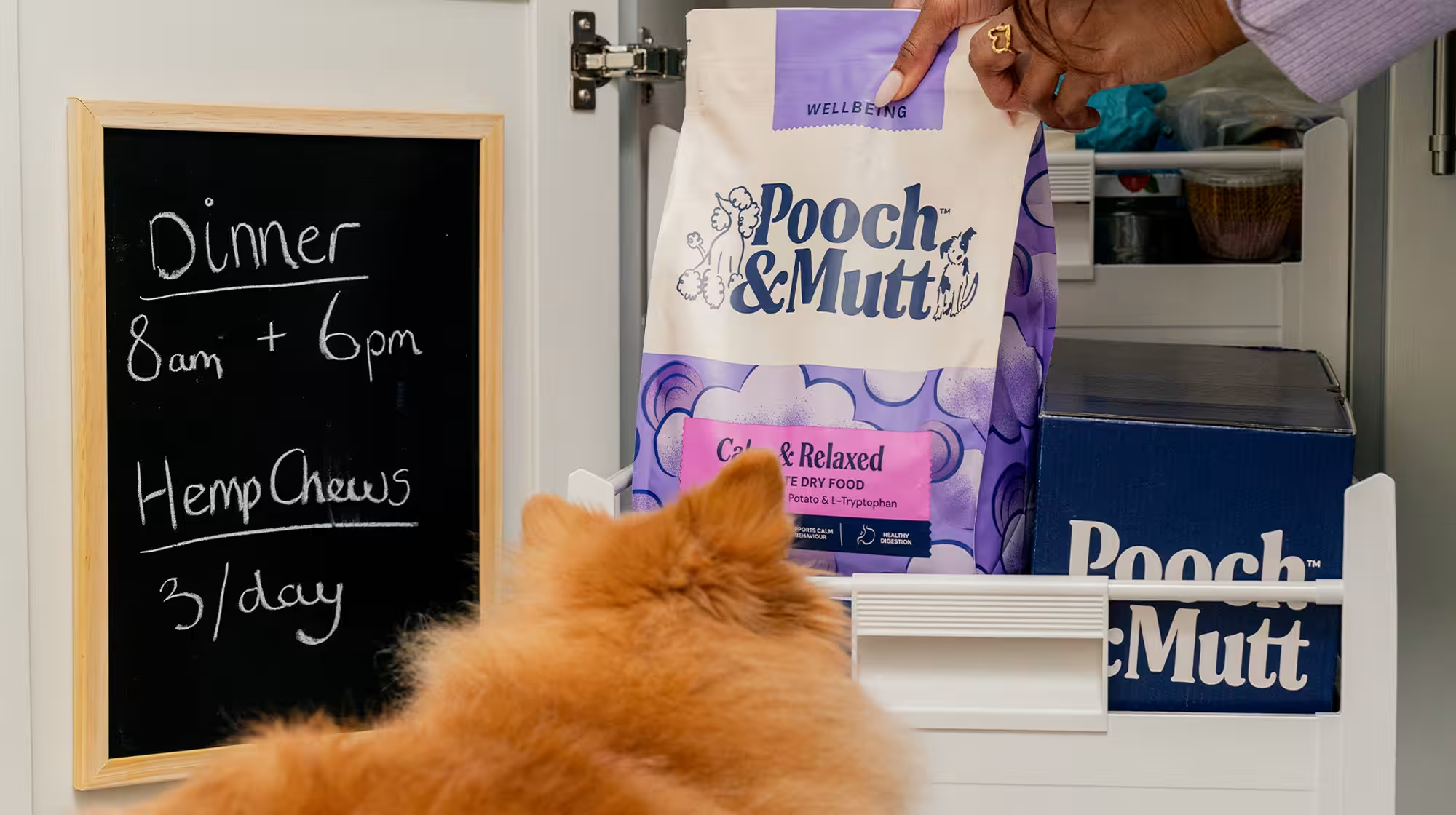
Calming food can be another great addition to a pooch’s anxiety reduction plan. As with calming treats, it’s unlikely to resolve the problem completely for severely anxious or excitable dogs - but the active and nutritional ingredients in the complete recipes can make a significant difference. Here at Pooch & Mutt, we have our Calm & Relaxed Dry Food and Calm & Relaxed Wet Food Pouches that can be fed at mealtimes to help support your pooch. Tasty and functional, to make feeding times a winner for everyone.
If you have a jumpy or anxious dog on your hands, be sure to consult a vet to assess the severity of the situation. To soothe their nerves from the inside out, our Calm & Relaxation range , including calming treats, contains relaxing, serotonin-boosting ingredients to keep your pooch happy and grounded.