


Key Takeaways:
- Farting is a normal part of the digestive process for dogs, but can also be due to swallowing excess air, their diet, gastrointestinal diseases and conditions, or allergies and intolerances
- Foul-smelling, and sometimes loud and noticeable farts from your dog are mainly down to something going on in their gut and their gut microbiome.
- Healthy dog farts are often odourless. Those that smell like rotten eggs or off food due to a surplus of bacteria that produces sulphur gases. An overgrowth of Desulfovibrio, Bilophila, some Clostridia and Bacteroides in the gut microbiome are responsible for foul smells.
Everybody does it - even your dog!
Tooting, parping, farting, or, if we want to get scientific, flatulence is the term we give to the expelling of gas out of the rear end of your dog.
Farting in dogs is a completely natural occurrence and typically nothing to worry about. Farts are never going to smell like roses, but it can be a cause of concern when they smell particularly foul.
Read on to explore why your dog’s farts smell so bad and what you can do to help them tackle it.
Why do dogs fart?
Most of us are aware that farting is directly linked to the gut and diet, but there are a few reasons as to why your dog is letting it rip.
A normal part of the digestive process. The main reason for your dog’s farts is because of the build-up of gas that’s produced as waste within the gut. This is from the breakdown of food and the fermentation of carbohydrates, fats, proteins, and fibres.
Swallowing excess air. Dogs can sometimes swallow too much air, which is especially common for flat-nosed or Brachycephalic breeds. This excess air can lead to increased burping or farting. This can also be the case for any dog when they eat or drink too quickly, or eat right after exercise.
Their diet. What goes in, must come out! Most dog diets consist of lots of protein, fats and sometimes things they shouldn’t be eating. As your dog's body works hard to digest all of these, it produces gas.
Gastrointestinal diseases and conditions. Excessive farts can be a sign of gastrointestinal diseases such as IBD (Inflammatory Bowel Disease) and just general gut upset. These are commonly aligned with other symptoms such as diarrhoea, vomiting and a lack of appetite.
Allergies and intolerances. Food allergies and intolerances are common in dogs, with chicken being one of the most common. When a dog consumes something that doesn’t sit right with them, this can result in excessive and noticeable gas.
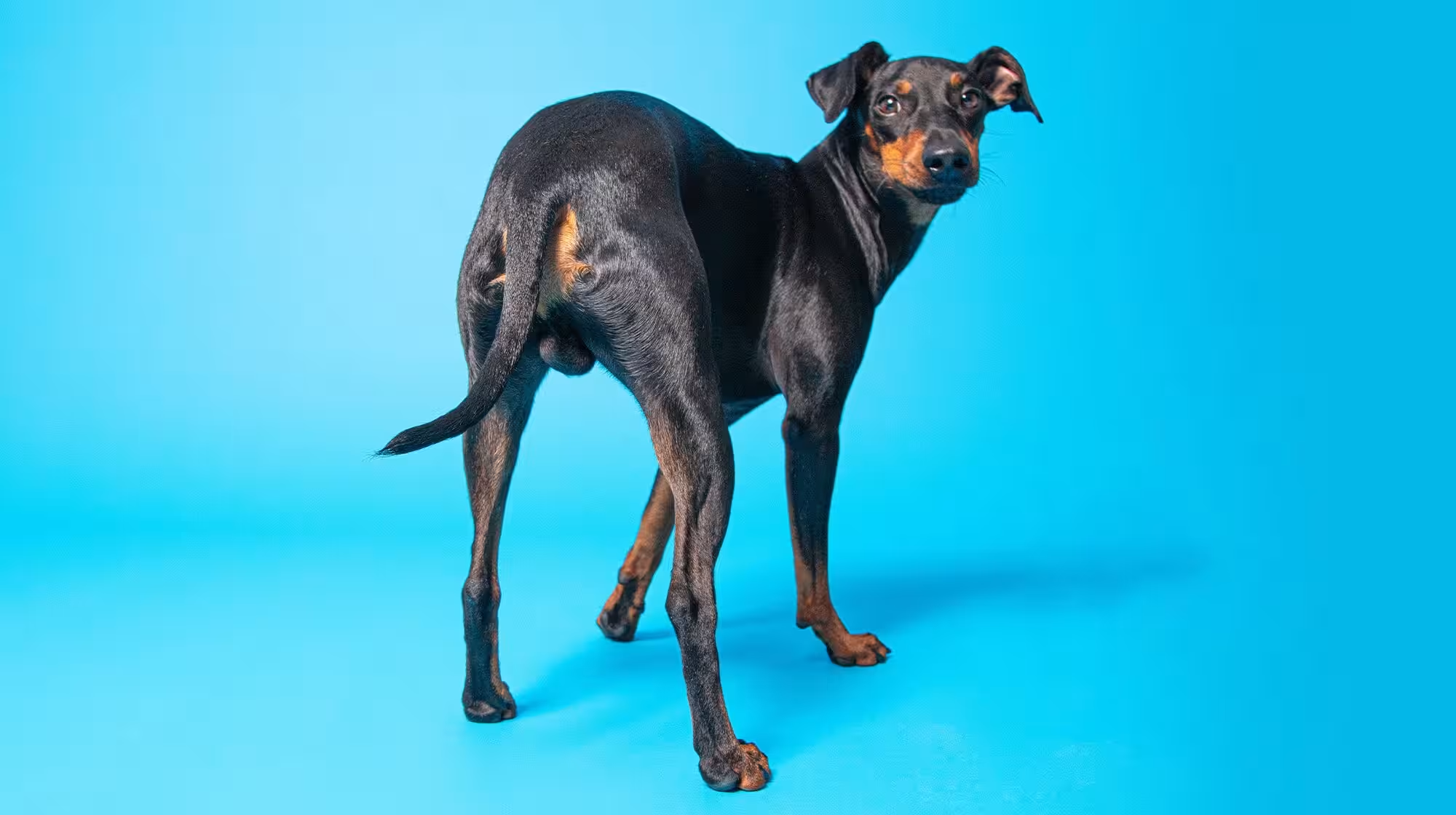
Why do my dog’s farts smell so bad?
Most of the time, you won’t notice your dog passing gas. They’re often silent and have little to no smell.
That said, you’ll easily be able to tell the difference between normal and concerning gas from your dog. Farts that do come from underlying issues often smell like rotten eggs or off food. But what exactly can cause their farts to get to this point?
Foul-smelling, and sometimes loud and noticeable farts from your dog are mainly down to something going on in their gut and their gut microbiome.
In your dog’s gut, you’ll find their gut microbiome. This is a microscopic ecosystem of predominantly bacteria. In a healthy gut microbiome, the levels of bacteria are rich and balanced. This means that they vary in species, but are in equal proportion to each other (or should be).
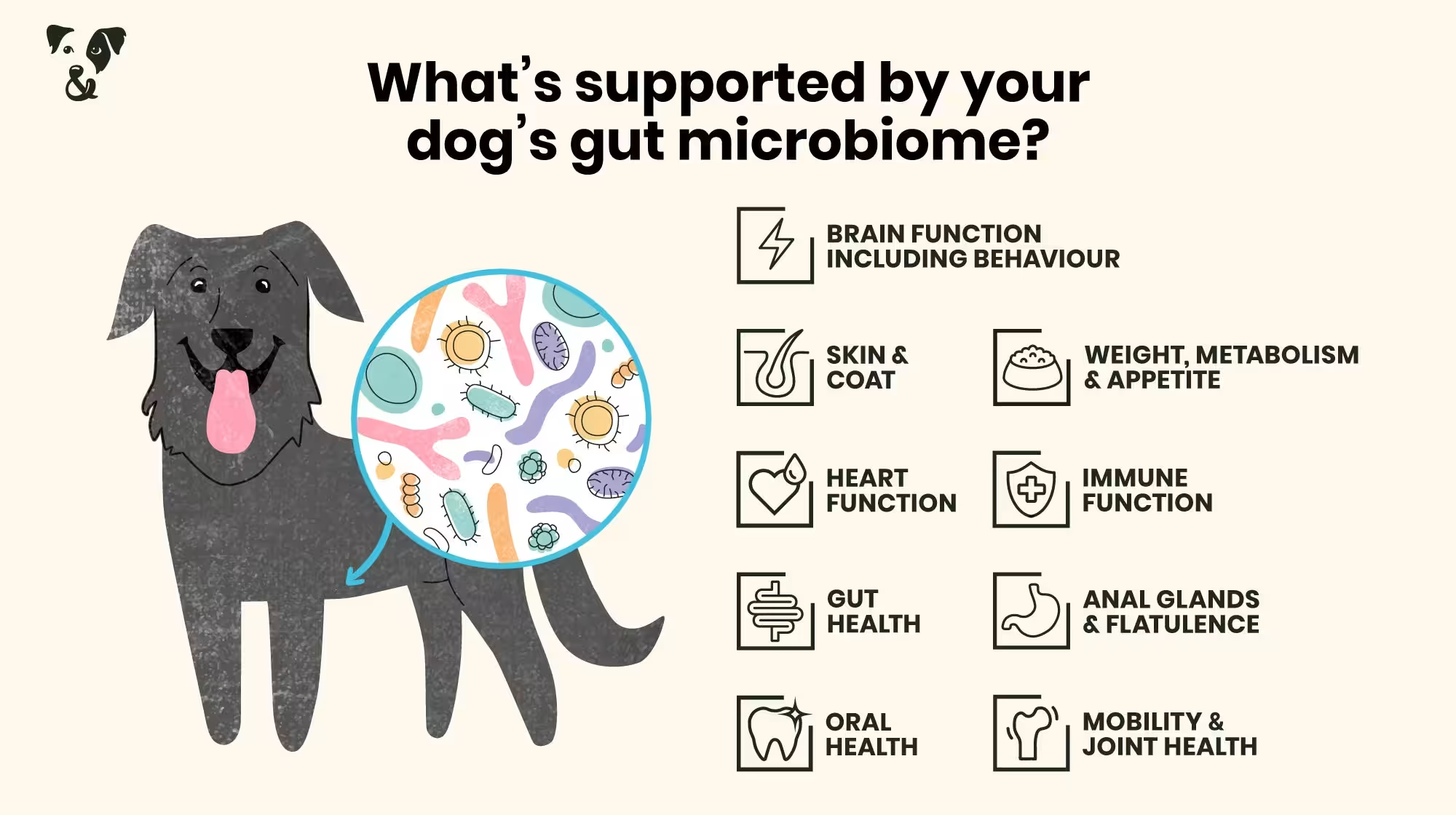
When rich and balanced, the bacteria within the gut microbiome work hard to support the strength and function of many of your dog’s main bodily processes. This includes the overall health of their gut, how they digest food, as well as how they break down food and absorb nutrients, vitamins and minerals.
An unbalanced microbiome, or dysbiosis, means things like smooth digestion and nutrient absorption are disrupted. This leads to many pesky symptoms linked to gut and digestive health, including diarrhoea, impacted appetite, reduced metabolism, and of course, foul-smelling farts.
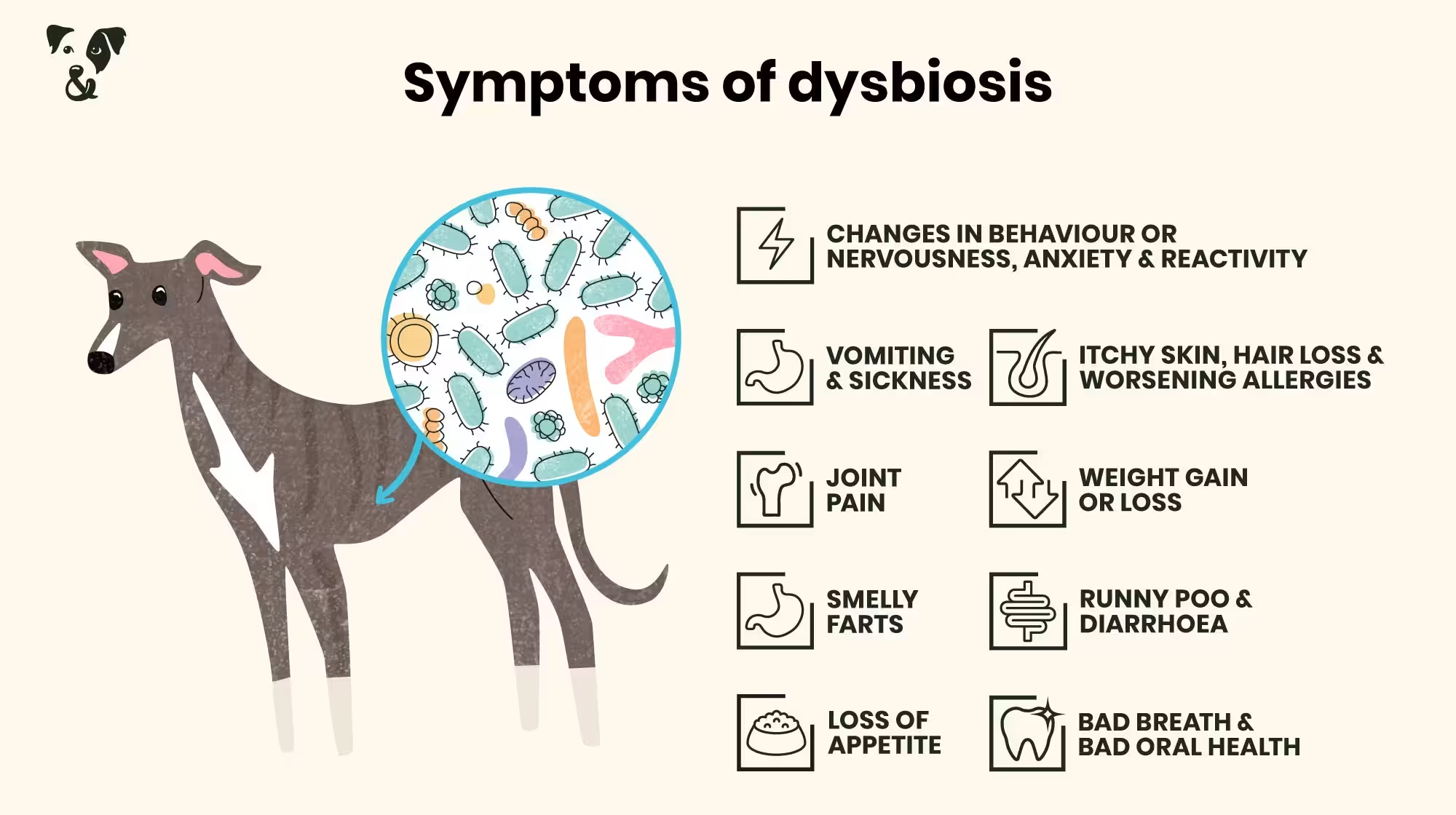
How is dysbiosis linked to foul-smelling farts in dogs?
If your dog is suffering from dysbiosis, it can mean:
The food they eat isn’t being digested properly.
Necessary compounds they get from their food, like fibre, carbohydrates and proteins, cannot be efficiently broken down and fermented.
Nutrients that should be being drawn from their food that support things like skin and coat health are just going to waste.
The slowing down of these processes means an excess production of gas, and of course, that has to escape somewhere!
When left untreated, dysbiosis often leads to inflammation of the gut. This, in turn, leads to gastrointestinal diseases like IBD (Inflammatory Bowel Disease), increases the risk of bacterial infections and worsens the symptoms of existing gastrointestinal issues. This also contributes to foul-smelling farts in dogs.
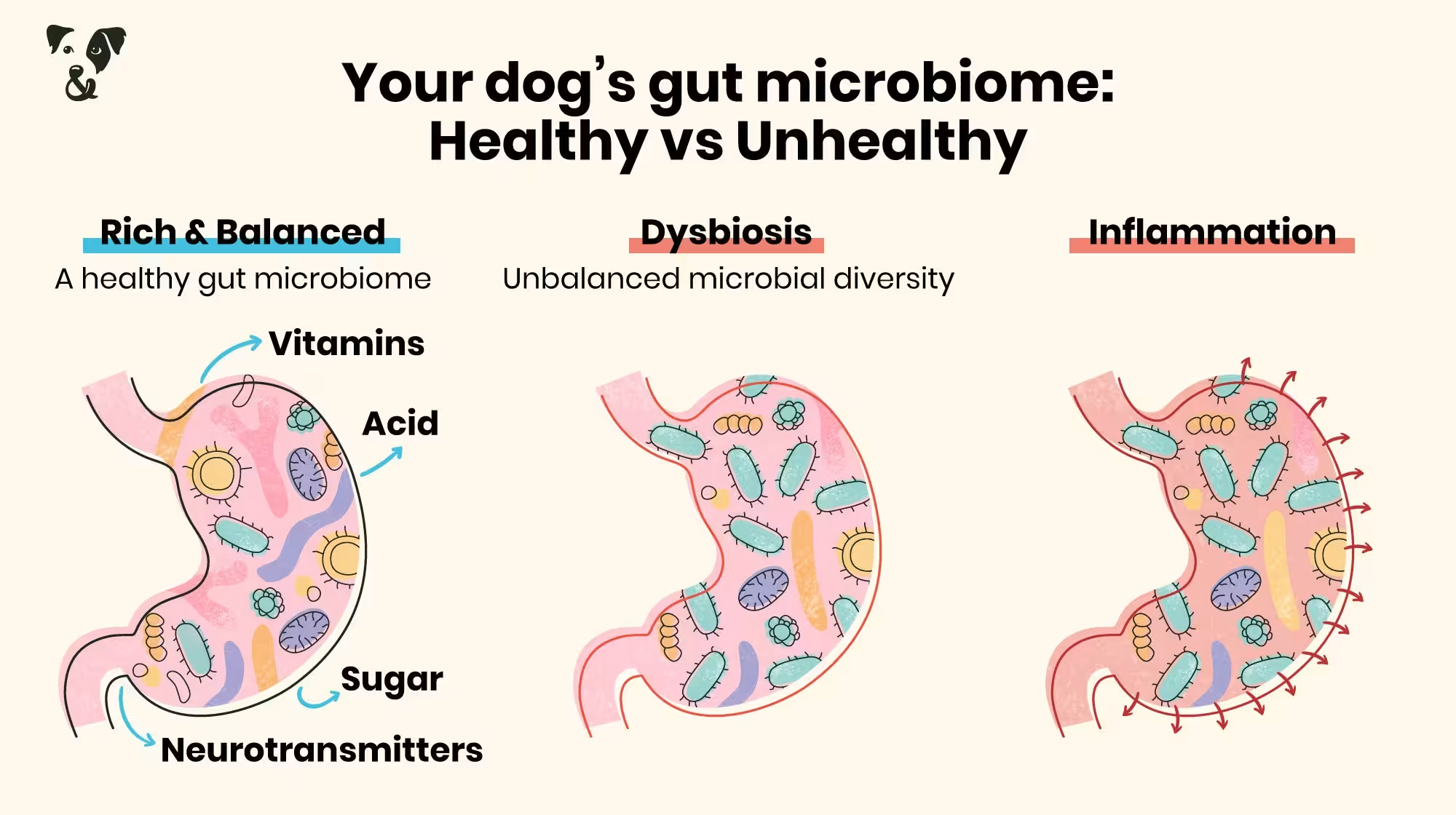
How do you know if your dog has dysbiosis?
The best way to truly diagnose dysbiosis in dogs, and to find out exactly how to tackle it, is with a Gut Health Test .
With a Pooch & Mutt Gut Health Test , we begin by sending you everything you need to collect a sample of your dog’s poop and send it off. Then, our scientists at the lab analyse your dog’s poop to get an insight into the bacterial diversity of their microbiome.
This, alongside their age, breed, current symptoms, medical history and lifestyle, allows us to summarise their results in a Gut Health Report .
This also includes a diet and a pre, pro and postbiotic-packed supplement plan that’s completely tailored to your dog. This targeted treatment can help get them feeling back on track, and those farts smelling less like rotten eggs!
How to treat foul-smelling farts in dogs
The best way to tackle foul-smelling farts in dogs is by adapting their diet.
This would include cutting out anything that they may be allergic or intolerant to via gradual exclusion, and focusing on foods and ingredients that are easy to digest, like Chicken, Turkey, Salmon, Herring, Pumpkin and Sweet Potato.
Be sure to avoid a high amount of treats, as well as feeding them human food off your plate. This also cuts out the opportunity for them to ingest anything toxic.
If you're looking to find the right food for your gassy pooch, be sure to take our Find Your Food quiz! After a couple of questions, you can open doors to food that will be much better suited for your dog. For a more in depth look into what exactly your dog needs, a Gut Health Test can help you take peek into what will help their gut thrive, and what supplements and dietary changes will help target those pesky symptoms.
As well as adapting their overall diet, adding Gut Supplements allows for extra vitamins and minerals, as well as prebiotics and probiotics, to help support and maintain a healthy gut.
By doing a Gut Health Test first, you can use your Gut Health Test Report to cut out the guesswork and optimise their current diet with a bespoke supplement plan.
When to see a vet
When your dog’s foul-smelling farts persist, even after intervention, and are accompanied by other symptoms like diarrhoea, vomiting, lack of appetite and lethargy, be sure to book an appointment with your vet immediately for further investigation.
A Gut Health Test is the first step in your journey towards tackling your dog’s smelly farts and getting their digestive health back on track.
Explore more about Pooch & Mutt’s Gut Health Test and Supplements, or read up on the gut microbiome and the crucial role it plays in their overall health and well-being.


Gut Health Test
Get your results in 4 weeks, with our quick and easy, at-home Gut Health Test for dogs. One simple poo sample, analysed by our microbiologists, and you’ll get personalised recommendations to help your dog thrive.
*This item is excluded from all discount codes.
-
Science backed gut health insights
-
Online report including key health indicators
-
81% saw an improvement in their dog's health
Current price: £69.99
Gut Health Test